
19 Sep Skin and Coat Supplements for Dogs: Achieving a Shiny Coat and Healthy Skin
Maintaining a shiny coat and healthy skin is essential for your dog’s overall well-being. As pet parents, understanding how skin and coat supplements, especially fish oil supplements, contribute to your dog’s health is vital. This comprehensive guide explores why skin health matters, common problems dogs face, the role of supplements, practical grooming tips, and how to manage skin conditions effectively.
1. Understanding Skin and Coat Health in Dogs
1.1 Why Skin Health Matters for Your Dog
The skin is the largest organ of your dog’s body, serving as the first line of defense against environmental hazards, allergens, and pathogens. Healthy skin supports your dog’s immune system and helps maintain the overall health of the dog’s coat. A shiny coat is often a visible sign of a balanced diet and good skin health, reflecting the internal well-being of your furry friend.
Poor skin health can lead to dryness, flaky skin, itching, and discomfort, impacting a dog’s quality of life. Moreover, skin issues can sometimes signal underlying health problems such as chronic kidney disease or allergies, making it important to monitor and care for your pup’s skin diligently.
1.2 Common Causes of Dry Skin and Coat Problems
Several factors contribute to skin and coat problems in dogs, including:
Nutritional Deficiencies: Lack of essential fatty acids such as omega 3 and omega 6, vitamins E and C, and other key nutrients in the dog’s diet can cause dull coats and dry skin.
Environmental Conditions: Cold, dry weather, especially in winter, often leads to flaky, itchy skin by reducing humidity levels and stripping natural oils.
Allergies and Sensitivities: Food allergies or environmental allergens can cause itchy skin, hot spots, and inflammation.
Parasites: Fleas, ticks, and mites can irritate the skin and coat, leading to scratching and secondary infections.
Underlying Health Issues: Chronic diseases like kidney disease or hormonal imbalances may manifest as skin problems.
Improper Grooming: Lack of regular brushing and bathing can cause mats and buildup of dead skin cells, contributing to skin irritation.

1.3 Signs of Poor Skin and Coat Condition in Dogs
Pet owners should watch for these signs indicating issues with skin and coat health:
Dry, flaky, or scaly skin
Dull or brittle coat lacking shine
Excessive shedding or hair loss
Itchy skin leading to scratching or licking
Redness, inflammation, or hot spots
Presence of dandruff or oily residue
Foul or fishy smell from the coat
Recognizing these symptoms early allows timely intervention, preventing chronic problems and improving your dog’s comfort and health.
2. The Role of Skin and Coat Supplements for Dogs
2.1 What Are Skin and Coat Supplements?
Skin and coat supplements for dogs are nutritional products formulated to provide essential nutrients that support healthy skin and promote a shiny coat. These supplements often contain fatty acids, vitamins, minerals, and other compounds that may be lacking in a dog’s regular food. By integrating these supplements into the dog’s diet, pet parents can improve skin conditions such as dry, itchy skin and support overall coat health.
2.2 Key Nutrients in Skin and Coat Supplements for Dogs
The most important nutrients found in effective skin and coat supplements include:
Omega 3 Fatty Acids: Including eicosapentaenoic acid (EPA) and docosahexaenoic acid (DHA), omega 3s help reduce inflammation, support cell regeneration, and improve skin hydration.
Omega 6 Fatty Acids: Linoleic acid and alpha linolenic acid promote skin barrier function and coat luster.
Vitamin E: A powerful antioxidant that protects skin cells from damage and supports wound healing.
Vitamin C: Supports collagen synthesis for skin repair and maintenance.
Fatty Acids: Polyunsaturated fats are vital for maintaining skin elasticity and moisture.
Other Nutrients: Zinc, biotin, and antioxidants contribute to healthy skin and hair growth.
2.3 How Dog Fish Oil Supplements Improve Skin Health
Fish oil, derived from fatty fish such as salmon, is a rich source of omega 3 fatty acids—EPA and DHA—that play a critical role in maintaining your dog’s skin health. These essential fatty acids:
Help reduce skin inflammation and relieve allergies
Improve moisture retention, preventing dry, flaky skin
Promote cell regeneration and support wound healing
Boost the pup’s immune system to protect against skin infections
Contribute to a shiny, healthy coat by nourishing hair follicles
Dog fish oil supplements are often preferred due to their natural source of these essential nutrients compared to synthetic triglyceride oil alternatives.
2.4 Benefits of Fish Oil Supplements for a Healthy Dog’s Coat
The benefits of regularly adding fish oil supplements to your dog’s diet extend beyond just skin health:
Shiny Coat: Omega oils nourish the hair follicles, leading to a glossy, thick coat.
Relieve Itchy and Flaky Skin: Fatty acids reduce dryness and alleviate itching associated with skin conditions.
Support Cognitive Function and Brain Health: DHA in fish oil supports proper brain function in dogs of all ages.
Aid Joint Health: Fish oil supports the pup’s joint health, which is especially beneficial for older dogs dealing with arthritis.
Overall Health Boost: Fish oil supports the pup’s immune system and cardiovascular health.
Determining how much fish oil your dog needs depends on factors such as size, age, and health status. Pet owners should consult a veterinarian for tailored dosing recommendations to avoid the fishy smell or oily coat side effects caused by excessive supplementation.

2.5 Choosing the Right Coat Supplements for Your Dog
With many dog coat supplements on the market, selecting the right one can be challenging. Consider the following:
Natural Ingredients: Choose supplements rich in natural omega fatty acids such as salmon oil or other high-quality fish oil sources.
Balanced Formulations: Look for key ingredients like vitamin E and vitamin C, which work synergistically with fatty acids.
Form and Taste: Soft gels, liquid oils, or chews that suit your dog’s preferences can improve compliance.
Certification and Purity: Opt for supplements tested for contaminants and free of synthetic fillers.
Additional Benefits: Some supplements also support joint health, wound healing, and cognitive function.
Consult your veterinarian and consider your dog’s specific skin coat needs, allergies, and any existing health conditions like chronic kidney disease before choosing supplements.
3. Practical Care Tips for Maintaining a Healthy Skin and Coat
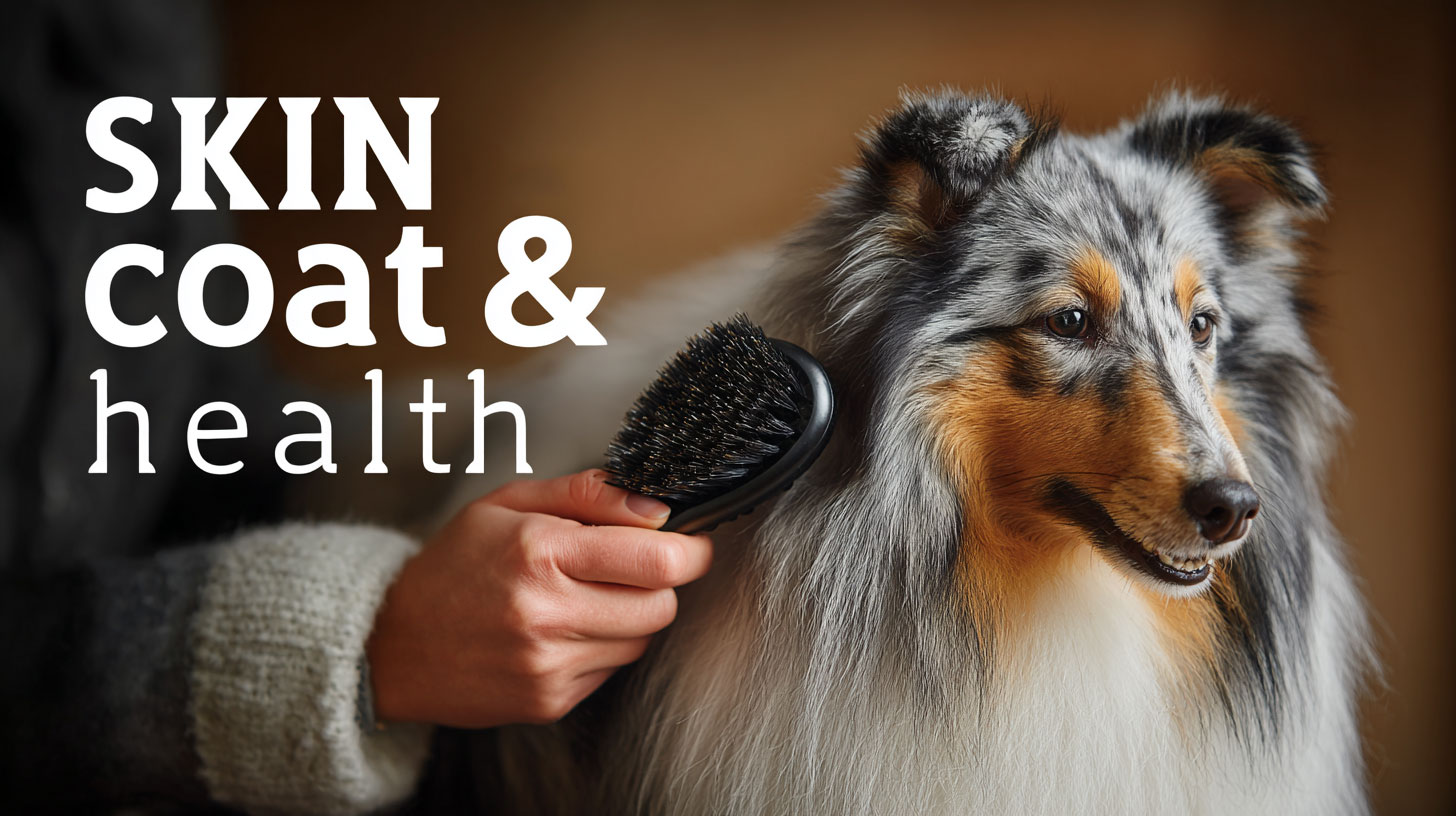
3.1 Proper Brushing Techniques to Support Skin and Coat Health
Brushing is an essential complement to supplements, helping distribute natural oils across the dog’s skin coat and stimulating hair growth. Effective brushing:
Removes dead hair and dirt
Prevents mats and tangles that trap moisture and bacteria
Enhances blood circulation to the skin
Helps monitor for skin conditions like flaky skin or hot spots
Using the right brushing technique—gentle strokes following the hair direction—can maximize benefits and keep your pup comfortable.
3.2 How Often to Brush Your Dog’s Coat for Best Results
The frequency depends on coat length and type:
Short-haired dogs: Brush once a week to remove loose hairs and distribute oils.
Long-haired dogs: Brush every few days, especially during shedding season, to prevent mats and reduce flaky skin.
Regular brushing supports a healthy coat by promoting cell regeneration and removing irritants from the skin surface.
3.3 Best Brushes and Tools for Different Coat Types
Using the appropriate brush optimizes grooming effectiveness:
Undercoat/shedding rake: Ideal for removing loose undercoat hairs, especially in double-coated breeds.
Slicker brush: Helps ease out mats and tangles while loosening dead skin and dirt.
Bristle brush: Removes surface dead hair and enhances coat shine.
Comb: Useful for delicate areas such as ears, tail, and paws to catch small tangles and monitor skin.
Selecting the right tools ensures comfort and supports your dog’s skin health.
3.4 Bathing Tips to Prevent Dry Skin and Maintain Coat Shine
Bathing is necessary but should be balanced to avoid drying out the dog’s skin:
Bathe dogs as needed, increasing frequency during allergy seasons or after outdoor activities.
Use dog-specific shampoos formulated to protect skin and maintain natural oils; avoid harsh human shampoos.
Clean ears gently before baths to prevent infections.
Dry pets thoroughly using towels or pet-safe dryers with low heat to prevent irritation.
Trim nails to reduce scratching-related skin damage.
Proper bathing complements skin and coat supplements by maintaining a clean, healthy skin environment.
4. Managing Dry Skin and Other Skin Conditions in Dogs
4.1 Common Skin Problems Related to Nutrition and Environment
Skin problems often arise due to:
Poor diet lacking essential nutrients causing flaky or dull coat
Allergies triggering itchy and inflamed skin
Environmental stress such as cold, dry air leading to dry skin and cracks
Parasites causing irritation and infection
Underlying illnesses impacting skin regeneration
Understanding these causes helps pet parents take proactive steps to protect their pup’s skin coat health.
4.2 Using Skin and Coat Supplements to Alleviate Dry Skin
Fatty acid-rich supplements like dog fish oil and coat supplements help restore skin moisture and reduce itching. These supplements:
Replenish essential fatty acids missing in the dog’s diet
Improve skin barrier function and hydration
Reduce inflammation and soothe irritated skin
Support immune responses to prevent secondary infections
Pet owners often see improvements in dry, flaky skin and a return to a healthy, shiny coat after a few weeks of consistent supplementation.
4.3 Supporting Skin Health During Seasonal Changes (Winter Effects)
Winter’s cold and low humidity exacerbate dry skin problems:
Increase omega oil supplementation to support skin hydration internally
Maintain regular grooming to spread natural oils and remove dead skin
Use humidifiers indoors to add moisture to dry air
Adjust bathing frequency and products to prevent excessive drying
Seasonal skin care adjustments alongside supplements help maintain coat health year-round.
4.4 When to Consult a Veterinarian for Skin Issues
If skin problems persist despite good nutrition and care, or if your dog shows signs of:
Severe itching and scratching
Hot spots or open wounds
Hair loss in patches
Signs of infection or discomfort
A vet visit is necessary to diagnose potential allergies, infections, or systemic health issues like chronic kidney disease affecting skin health.
5. Summary: Achieving a Shiny, Healthy Dog’s Coat with Supplements and Care
5.1 Combining Supplements and Grooming for Optimal Skin Coat Health
For best results in achieving a shiny coat and healthy skin:
Provide a balanced diet enriched with essential fatty acids, vitamins E and C
Add high-quality fish oil supplements tailored to your dog’s needs
Groom regularly with the right brushes to distribute natural oils and remove dead hair
Bathe properly to maintain skin moisture without stripping natural oils
This holistic approach supports the dog’s skin and coat from both inside and out.
5.2 Key Takeaways on Dog Coat Supplements and Fish Oil
Fish oil supplements are a cornerstone of skin and coat health, supplying essential omega 3 fatty acids that support skin hydration, reduce inflammation, and promote a shiny coat.
Other nutrients like vitamin E and polyunsaturated fats enhance these benefits.
Proper dosage and supplement quality are critical to avoid side effects like fishy smell or oily coat.
Supplements alone are not enough; they must be paired with good grooming and care routines.
5.3 Maintaining Long-Term Skin Health Through Nutrition and Care
Long-term skin health is achievable by:
Monitoring your dog’s diet to ensure essential nutrients are met
Adjusting supplement intake according to life stage and health status
Adapting grooming and bathing routines seasonally
Staying vigilant for skin issues and consulting professionals when needed
By investing in your pup’s skin and coat health through balanced nutrition, fish oil supplements, and consistent care, you help your canine companion thrive with a vibrant coat and comfortable skin.