
04 Sep Pet Probiotics and Gut Health: From Digestive Support to Immune Wellness
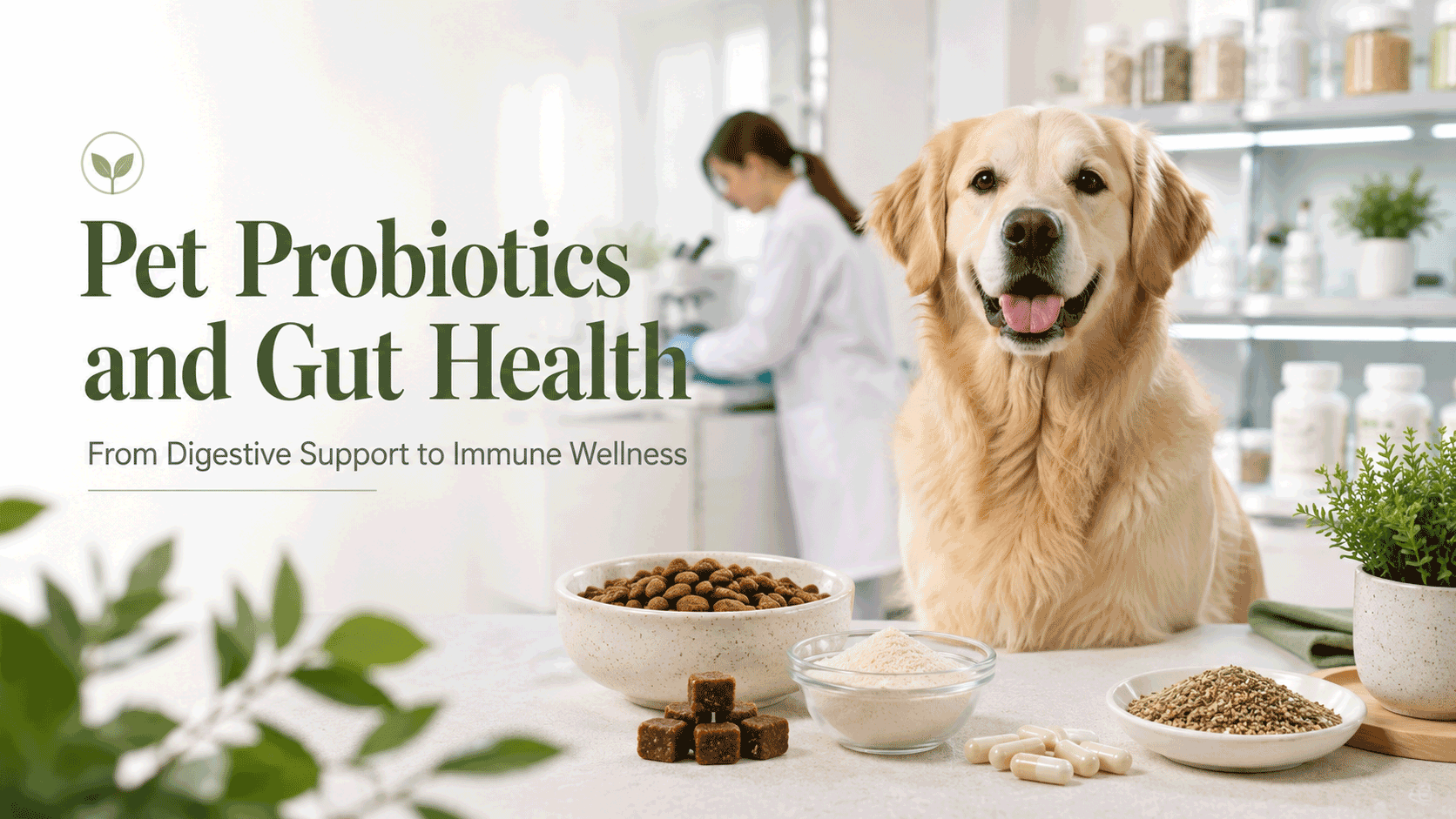
Pet probiotics have become one of the most promising directions in the pet supplement market because gut health is no longer viewed as a narrow digestive topic. For many pet owners, the digestive system is closely connected with a dog’s health, immune health, skin condition, stool quality, appetite, behavior, and overall well being. As more people treat dogs and cats as family members, they are paying closer attention to daily nutrition, digestive health, and products that support gut health in a safe and convenient way.
A dog probiotic supplement can be positioned for many use cases. Some products focus on occasional loose stool, upset stomach, diarrhea, or digestive issues. Others are designed for daily overall gut health, immune system support, skin and coat wellness, bad breath, stressful situations, or digestive balance during and after taking antibiotics. This makes probiotics for dogs a flexible private label category that can support different product lines, from probiotic powder and capsules to probiotic chew products and specially formulated probiotic blend concepts.
Scientific reviews describe the intestinal microbiota as a complex microbial community with barrier-protective, nutritional, metabolic, and immunological functions. Probiotics have been used in functional foods and dietary supplements to help modulate the intestinal microbiota and support host health in dogs and cats, although mechanisms and results can vary by strain, dose, product quality, and health condition. For B2B pet supplement brands, this means the opportunity is strong, but product development must be thoughtful. Not all probiotic supplements are created equal, and a good formula should be built around strain identity, colony forming units, stability, expiration date, live organisms, delivery format, and quality assurance.
Why Gut Health Matters for Pet Owners and Private Label Brands
Gut health is important because the digestive tract does more than digest food. It helps process nutrients, supports the gastrointestinal system, interacts with the immune system, and creates an environment where beneficial bacteria can compete with harmful bacteria. Veterinary guidance explains that probiotics can boost healthy gut bacteria that help digest food, and they are widely known for use in diarrhea and gastrointestinal upset. The same source also notes that probiotics have been discussed in connection with urinary tract infections, immune system disorders, and anxiety-related wellness.
This wide relevance is one reason dog probiotic supplement products are attractive for private label customers. A gut health product can be positioned as digestive support, immune health support, daily wellness support, or stress-related digestive balance. It can also be connected with dog foods, meal toppers, probiotic chews, capsules, and powders. For a brand, this creates more than one product angle. A single probiotic blend can become a daily powder, a flavored chew, a capsule formula, or a paste-style product depending on the customer’s market, price point, and preferred delivery format.
For pet owners, the practical question is usually simple: how do probiotics for dogs work? In basic terms, probiotics are beneficial microorganisms that help support a desirable intestinal microbial balance. They are often described as good bacteria or helpful bacteria that live in the digestive tract. When the balanced gut microbiome is disrupted by stress, dietary changes, antibiotics, travel, boarding, illness, or other health problems, a probiotic supplement may help support digestive health by encouraging beneficial bacteria and helping the digestive tract return toward a more normal condition.
The language used on pet supplement labels should remain careful. A probiotic product can be described as supporting digestive health, helping maintain healthy gut bacteria, supporting gut health, and contributing to overall well being. It should not be marketed as a cure for serious gastrointestinal issues, immune system disorders, urinary tract infections, or other medical conditions. If a dog has persistent diarrhea, severe stomach issues, blood in stool, repeated vomiting, chronic digestive issues, or signs of illness, a veterinarian should be involved. Veterinary medicine remains essential when symptoms suggest a serious condition.
Why Dog Probiotic Supplement Products Are Expanding Beyond Digestive Health
The early consumer understanding of probiotics was often limited to diarrhea, loose stool, and upset stomach. Today, the category is broader. Pet owners are increasingly aware that the gut is connected with immune health, nutrient absorption, stool quality, inflammation balance, skin and coat condition, and even behavior in stressful situations. This broader understanding makes probiotics one of the most flexible ingredients in pet wellness product development.
Veterinary resources describe the dog’s gastrointestinal tract as containing about 70% of the immune system, placing the digestive tract on the front line for helping prevent potential pathogens from reaching the rest of the body. By helping normalize conditions in the digestive system, probiotics may support proper immune system function. This creates a strong reason for brands to position probiotic supplements not only as digestive products but also as immune health and daily wellness products.
At the same time, probiotic products must be developed responsibly. Dogs probiotics should be specially formulated for dogs rather than copied directly from human foods or human supplement formats. Plain yogurt with live cultures is often associated with probiotics, but human foods may contain ingredients that are unsuitable for dogs. Artificial sweeteners are an important concern, and pet owners should not assume that every yogurt or fermented food is safe for dogs. A professionally developed dog probiotic supplement is designed with dog-specific use, strain selection, dose, palatability, and safety in mind.
Gut Health Is Linked to Digestive Health, Immune Health and Daily Wellness
The digestive system is a central part of a dog’s health because it interacts with food, bacteria, nutrients, immune cells, and the outside environment. A balanced gut microbiome helps create a more stable internal environment. Good bacteria and beneficial microorganisms can support digestive health by helping maintain normal conditions in the digestive tract and competing against harmful bacteria for space and nutrients.
Veterinary guidance explains that probiotics can change the local acidity of the digestive tract and release short chain fatty acids. These effects can help create a gut environment less favorable to harmful bacteria, because helpful bacteria compete with bad bacteria for nutrients and resources. This is one reason probiotics are often included in products for loose stool, diarrhea, upset stomach, and general digestive balance.
For B2B brands, this is useful because digestive health is easy for pet owners to understand. A product that supports stool quality, helps maintain healthy gut bacteria, and supports a balanced gut microbiome has a clear consumer message. However, the most successful products usually go further than a simple “tummy support” concept. They connect digestive health with immune health, daily vitality, skin and coat support, and overall well being.
A dog probiotic supplement can also be positioned for transitional moments. A stressful event, such as travel, boarding, moving, training changes, or a sudden diet transition, can affect the digestive system for many dogs. Veterinary sources suggest probiotics may be given proactively several days before a known stressful event so the dog has a more ideal gastrointestinal tract environment. This creates a practical product story around stressful situations, gut balance, and daily support.
From Dog Foods to Probiotic Chew Products: Why Brands Are Building Gut Health Lines
Dog foods can play an important role in gut health because food is the daily foundation of the digestive system. Some dog foods include prebiotics, fiber, or live cultures, and many pet owners are becoming familiar with gut-focused nutrition through food labels. However, probiotic supplements offer a more targeted product format. A supplement can provide a clearer probiotic blend, a more defined dose, a stated amount of colony forming units, and a specific use occasion.
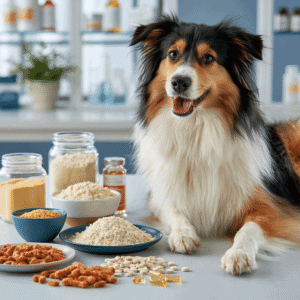
This is why private label customers often develop gut health lines around multiple delivery formats. A probiotic powder can be sprinkled over food or mixed into a topper. A probiotic chew can be flavored and treat-like for easier daily use. Capsules can be given whole or opened and mixed with food. Pastes can be given directly by mouth for picky dogs or short-term digestive support. Each format can work, but the best choice depends on the target dog, formula stability, pet owner habits, and manufacturing process.
Probiotic chew products are especially attractive because they feel familiar to dogs and convenient to pet owners. A daily chew is easy to understand and easy to repeat. It can also be positioned alongside other soft chew categories such as joint support, skin and coat, calming, immune health, and multivitamin products. For brands building a private label product line, probiotic chew products create strong cross-selling potential.
However, a probiotic chew is also technically challenging. Live probiotics can be sensitive to heat, moisture, oxygen, and processing conditions. If the manufacturing process is too harsh, the final product may not contain the intended number of live organisms at the expiration date. This is why brands should not choose a probiotic chew manufacturer only based on flavor or price. They should evaluate the supplier’s understanding of live cultures, water activity, strain stability, packaging, and finished product testing.
How to Build an Effective Probiotic Blend for Dogs
An effective probiotic blend for dogs should start with the intended benefit. A formula for loose stool may use a different strain strategy than a daily immune health product or a stress-related gut health chew. A formula for most dogs may be different from a product for puppies, senior dogs, sensitive dogs, or dogs taking antibiotics. The dog’s health history also matters, especially when there are immune system disorders, chronic gastrointestinal issues, or repeated digestive problems.
A good dog probiotic supplement should clearly identify the strains used in the product. This matters because probiotics are strain-specific. It is not enough to say “contains probiotics” or “contains Lactobacillus.” A more transparent product should provide strain information where available and explain the intended support area in responsible language. Common probiotic species used in dog-related discussions include Lactobacillus acidophilus, Lactobacillus casei, strain LGG, Bifidobacterium longum, Enterococcus faecium, and Bacillus coagulans. Veterinary guidance lists several probiotic species and notes examples such as Lactobacillus acidophilus, Lactobacillus casei, Lactobacillus rhamnosus strain LGG, Bifidobacterium longum, Enterococcus faecium, and Bacillus coagulans.
The product should also include an appropriate number of colony forming units. Cornell’s canine health guidance explains that probiotics are measured in CFUs, or colony forming units, and states that the current recommendation for dogs is 1 to 10 billion CFUs a day. It also notes that labels should include an expiration date, the exact species, the number of microorganisms in the product, and a guarantee for the number of live organisms. For private label products, this information should be treated as a product development requirement, not only a marketing detail.
Strain Selection, CFU Count and Why Higher Numbers Do Not Always Mean Best Probiotics
When buying probiotics or developing private label probiotics, higher CFU counts do not always mean the best probiotics. A product with a very high number of colony forming units may look impressive, but the number alone does not prove efficacy. Strain identity, survivability, stability, target benefit, delivery format, expiration date, and supporting research all matter.
A well-designed probiotic blend should consider how the bacteria survive manufacturing, storage, and passage through the digestive tract. Some strains may be more suitable for probiotic powder. Others may be better for capsules, pastes, or chews. Bacillus coagulans, for example, is often considered in products where processing stability is important because spore-forming strains may offer better resilience than some traditional live cultures. Lactobacillus acidophilus and Lactobacillus casei are familiar names to consumers, while Bifidobacterium longum and Enterococcus faecium may be used for more specific formulation concepts.
The product story should be built around function, not only numbers. A digestive health probiotic may focus on stool quality, gut comfort, and a balanced gut microbiome. An immune health probiotic may focus on the connection between the digestive tract and immune system. A stress-related product may use careful language around stressful situations, digestive balance, and overall well being. If anxiety is mentioned, it should be handled cautiously and ideally supported by veterinary guidance or strain-specific evidence.
For B2B brands, it is also important to avoid making the formula too complicated. A multi-strain probiotic blend can be attractive, but adding more strains does not automatically create a better product. Each strain should have a reason to be included. The final formula should also consider taste, stability, dose, serving size, cost, packaging, and the ability to guarantee live organisms through the expiration date.
Prebiotics, Short Chain Fatty Acids and Balanced Gut Microbiome Support
Prebiotics are another important part of gut health product development. Probiotics are beneficial microorganisms, while prebiotics are fibers or substrates that helpful bacteria can use. Veterinary guidance explains that prebiotics are fiber upon which probiotics feed, and both probiotics and prebiotics can occur naturally, be given as supplements, or be added to dog food.
For private label products, combining probiotics and prebiotics can create a synbiotic-style formula. This may be useful in probiotic powder, probiotic chew, or capsule formats. Prebiotics can help bulk stool, support digestive health, and provide a more complete gut health story. They also help explain the relationship between beneficial bacteria, food, and the digestive system in a way that pet owners can understand.
Short chain fatty acids are also useful to mention in educational content. They are compounds produced when beneficial bacteria ferment certain fibers. Veterinary guidance notes that probiotics can release short-chain fatty acids and help normalize conditions in the intestines. In consumer-facing language, brands can explain that a healthy gut environment depends on the interaction between good bacteria, prebiotics, and the digestive tract.
Postbiotics can also be considered for future product development, although they should be explained simply. Unlike live probiotics, postbiotic ingredients may offer better processing stability because they are not dependent on live organisms in the same way. This can be especially relevant for soft chews, heat-processed products, or products where shelf stability is a major concern. A brand may choose live probiotics, prebiotics, postbiotics, or a combined approach depending on the desired product claim, manufacturing conditions, and target market.
Choosing the Right Delivery Format for Private Label Dog Probiotics
Delivery format is one of the most important decisions in probiotic supplement development. A strong formula can fail if the delivery format does not match the pet owner’s routine or the dog’s preferences. Dog probiotics can be developed as powders, chews, capsules, pastes, and food toppers. Each has advantages and limitations.
A probiotic powder is often the most flexible option. It can be mixed into dog foods, sprinkled over meals, or used as a topper. Powders can also support higher CFU levels, multi-strain probiotic blends, prebiotics, and added nutrients. However, powders must be protected from moisture, clumping, oxygen exposure, and flavor problems. The packaging should support stability and make daily serving simple.
Capsules can be useful when precise dosing is important. They may be given whole, hidden in food, or opened and mixed into meals. This format can work well for customers who want a more supplement-like product. However, capsules may not be ideal for picky dogs or pet owners who prefer a treat-like experience.
Pastes are practical for direct feeding and may be useful for short-term digestive support products. They can be attractive for picky dogs or situations where the pet owner wants a more hands-on format. However, pastes require careful packaging, microbial control, and texture management.
Powder, Capsule, Paste or Probiotic Chew: Which Format Works Best for Dogs?
The best format depends on the product strategy. A daily gut health product for most dogs may work well as a probiotic chew because it is easy to give and easy to repeat. A high-CFU digestive support product may work better as a probiotic powder. A targeted formula for customers who want precise dose control may work well as capsules. A short-term support product may fit a paste format.
For private label brands, probiotic chew products often have the strongest consumer appeal because they are treat-like. Many dogs willingly eat chews, and pet owners can easily add them to a daily routine. The challenge is that live probiotics must survive the manufacturing process and remain viable through the expiration date. This makes formulation, processing temperature, water activity, packaging, and quality testing essential.
A probiotic powder may be easier to design for stability, especially if the powder is protected in stick packs, sachets, jars, or pouches. Powders also work well with prebiotics and fiber ingredients. They can be especially useful for brands that want to connect the product with dog foods, meal toppers, or daily digestive system support.
Capsules can be a good option for formulas that need stronger protection from moisture or for products targeting more experienced supplement buyers. However, they may require more explanation on the label. The product page should tell pet owners whether capsules can be opened and mixed with food, and how to use the product safely according to the dog’s weight and health history.
Stability, Safety and Quality Standards for Private Label Probiotic Supplements
Stability is one of the biggest challenges in probiotic supplement manufacturing. Live cultures can decline during production and storage if they are exposed to heat, moisture, oxygen, or unsuitable packaging. A product may begin with a certain CFU count, but what matters is whether it can still guarantee live organisms at the expiration date. This is why the expiration date, live organisms guarantee, strain identity, and storage instructions are so important.
Safety is equally important. Veterinary guidance states that probiotics are generally safe, but product studies should show that the probiotic does not promote antibiotic resistance in other bacteria and is not pathogenic itself. It also warns that severely immunocompromised dogs should only receive probiotics with caution and under veterinary supervision. This matters for label language and customer education. A brand should never imply that probiotics are suitable for every dog in every situation without consideration of the dog’s health history.
Quality standards should cover raw material qualification, strain documentation, production controls, finished product testing, and retained samples. Reputable brands should be able to explain how the probiotic blend is protected during manufacturing and how live probiotics are verified. They should also avoid vague language such as “premium probiotics” without explaining strain selection, CFU count, expiration date, and quality control.
The best probiotics for dogs are not defined only by trendy strains or high numbers. They are defined by suitable strains, appropriate dose, product stability, safety, palatability, and honest communication. For B2B private label development, this means the manufacturer should understand both formulation science and consumer expectations.
Dog Probiotics FAQs for Private Label Product Development
Dogs FAQs sections can be helpful on B2B product pages because they capture search intent while answering real buying concerns. Many pet owners and private label customers ask similar questions. How do probiotics for dogs work? Are human foods like plain yogurt enough? What is the difference between probiotics and prebiotics? Can a dog probiotic supplement help with loose stool or upset stomach? Should dogs take probiotics while taking antibiotics? Are probiotic chews as effective as powders? How many colony forming units should be included?
A good FAQ section should answer these questions without overpromising. For example, plain yogurt may contain active cultures, but it is not the same as a specially formulated dog probiotic supplement. Some human foods may contain sugar, flavorings, or artificial sweeteners that are not appropriate for dogs. A dog-specific probiotic product is designed with dog use, strain selection, serving size, palatability, and safety in mind.
For dogs taking antibiotics, probiotics are often discussed because antibiotics can affect the gut microbiome. However, the timing, strain, and suitability should be discussed with a veterinarian, especially if the dog has health problems, immune system disorders, or a complicated medical history. The same caution applies to severely immunocompromised dogs.
An FAQ section can also explain that some dogs may experience mild gas, stool changes, or digestive adjustment when starting probiotic supplements. If symptoms persist for more than a few days or become severe, pet owners should consult a veterinarian. This helps build trust while reducing unrealistic expectations.
Final Thoughts: Building a Strong Dog Probiotic Supplement Line
A dog probiotic supplement can be much more than a digestive support product. With the right positioning, it can support digestive health, gut health, immune health, stool quality, overall well being, and daily wellness routines for many dogs. It can also connect with dog foods, probiotic powder, probiotic chew products, capsules, pastes, prebiotics, postbiotics, and custom probiotic blend development.
For private label brands, the opportunity is strong because pet owners are actively buying probiotics and asking more informed questions. They want products that are easy to use, safe, effective, and suitable for their dog’s health history. They also want clear labels, expiration dates, live organisms guarantees, and products that are specially formulated for dogs rather than copied from human foods.
The most successful probiotic products are not created by simply adding bacteria to a formula. They require careful strain selection, appropriate colony forming units, stability planning, palatability work, packaging protection, quality testing, and responsible label language. They must also be developed with an understanding of the digestive tract, beneficial bacteria, harmful bacteria, short chain fatty acids, immune system connection, and balanced gut microbiome support.
As the pet supplement market continues to grow, probiotics for dogs will remain a high-potential category. Brands that combine science-based formulation, reliable manufacturing, clear communication, and pet-friendly delivery formats can build products that support gut health, digestive health, immune health, and long-term trust with pet owners.