

03 Sep Joint Supplements for Dogs: Do They Really Work & What to Look For
1. Understanding Joint Health in Dogs
1.1 Why Joint Health Matters for Dogs
Joint health is essential for every dog’s quality of life. Healthy joints allow dogs to run, jump, and enjoy an active life without pain or stiffness. Just like humans, many dogs experience joint problems as they age or due to genetics, injury, or excessive weight. Joint disease, such as arthritis and hip dysplasia, affects a significant number of dogs worldwide and can severely reduce mobility, cause chronic joint pain, and decrease overall well-being.
Maintaining healthy joints is crucial, especially for aging dogs and those predisposed to joint problems. Joint pain not only affects a dog’s activity level but can also lead to muscle mass loss and behavioral changes due to discomfort. Therefore, supporting joint health early and throughout a dog’s life is vital to alleviating pain, slowing arthritis progression, and improving the dog’s mobility and life quality.
1.2 Common Joint Problems in Dogs: Arthritis, Hip Dysplasia, and More
Many dogs develop joint problems during their lifetime. The most common issues include:
Arthritis (Degenerative Joint Disease): A progressive condition characterized by the breakdown of joint cartilage, leading to inflammation, pain, and joint stiffness. Arthritis is especially common in senior dogs but can affect younger dogs with joint injuries or excessive wear and tear.
Hip Dysplasia: A genetic condition where the hip joint is malformed, causing abnormal wear of the cartilage and leading to pain and decreased mobility. This condition is common in larger breeds and may lead to chronic joint pain and arthritis.
Elbow Dysplasia: Similar to hip dysplasia but affecting the elbow joint, causing cartilage breakdown and joint damage.
Ligament Tears and Traumatic Injuries: These injuries can cause joint instability, inflammation, and long-term joint problems if not properly managed.
These joint problems can cause a dog to limp, have difficulty climbing stairs, show reluctance to exercise, or display signs of pain and decreased activity.
1.3 How Aging Affects Canine Joints
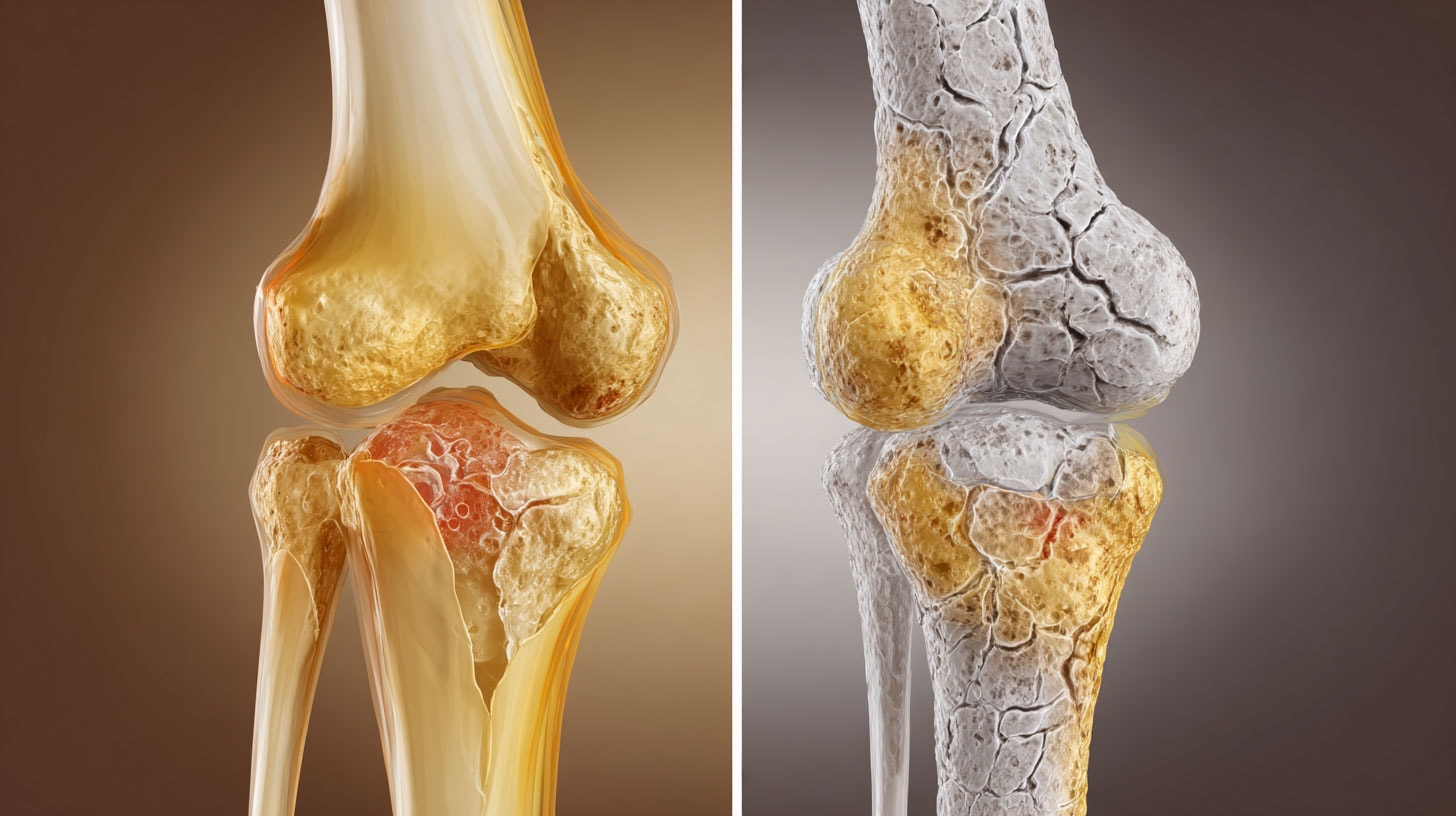
As dogs age, their joints undergo natural wear and tear. The cartilage cushioning the joints may thin or break down, and the joint fluid that lubricates movement may diminish. Aging dogs are more susceptible to developing degenerative joint disease, experiencing joint stiffness, and reduced flexibility.
Older dogs often face decreased muscle mass around joints, making joint support even more critical. Furthermore, excess weight can accelerate cartilage breakdown and worsen joint health. Many senior dogs benefit from joint supplements to help maintain joint function, alleviate pain, and support cartilage repair.
1.4 Signs Your Dog May Need Joint Care and Supplements
Pet parents should watch for early signs of joint problems to ensure timely intervention. Common indicators include:
Limping or “bunny hopping” gait
Reluctance to climb stairs or jump onto furniture
Decreased activity or fatigue after short walks
Joint stiffness, especially after rest
Difficulty standing up or lying down
Swelling around joints
Behavioral changes such as irritability or depression due to pain
If you observe these signs, it’s advisable to seek a physical exam by a veterinarian. Early diagnosis and supportive joint care can slow arthritis progression and improve the dog’s quality of life.
2. What Are Dog Joint Supplements and How Do They Work?
2.1 Overview of Popular Joint Supplements for Dogs
Dog joint supplements are specially formulated products designed to support joint health, alleviate joint pain, and slow the progression of joint diseases. These supplements often contain natural anti-inflammatory compounds and beneficial ingredients that support cartilage repair and improve joint fluid quality.
Joint supplements are used widely for dogs with arthritis, hip dysplasia, and other chronic joint pain conditions. They can also be given to aging dogs or breeds prone to joint problems to maintain healthy joints and prevent early onset of joint disease.
2.2 Key Ingredients in Joint Supplements
The efficacy of a joint health product largely depends on its ingredients. The most common and scientifically supported components include:
Glucosamine and Chondroitin
Glucosamine is a naturally occurring amino sugar essential for building and maintaining cartilage, the connective tissue cushioning the dog’s joints. Chondroitin sulfate supports cartilage structure by providing compressive strength and protecting against breakdown. Together, they help repair damaged cartilage, slow cartilage breakdown, and support joint function.
Supplementing these amino acids can encourage the dog’s body to repair cartilage and maintain healthy joints, which is crucial in managing degenerative joint disease.
Methylsulfonylmethane (MSM) and Their Anti-Inflammatory Roles
MSM is an organosulfur compound with anti-inflammatory properties that help alleviate pain and swelling in the joints. It supports connective tissue health and can reduce inflammation naturally, assisting dogs suffering from chronic joint pain and joint stiffness.
Hyaluronic Acid and Its Role in Joint Lubrication
Hyaluronic acid is a vital component of joint fluid, responsible for lubricating joints and cushioning the impact between bones. Supplementation can help restore joint fluid quality, improve mobility, and reduce joint discomfort, especially in dogs with arthritis.
2.3 How Supplements Help with Cartilage Repair and Inflammation Reduction
Joint supplements work by providing the necessary building blocks and compounds that aid cartilage repair and reduce inflammation in the joints. Damaged cartilage is a hallmark of many joint problems, including arthritis and hip dysplasia. By supplying glucosamine, chondroitin sulfate, and MSM, supplements support the regeneration of cartilage and help maintain its integrity.
Additionally, natural anti-inflammatory ingredients reduce the inflammatory response in joint tissues, alleviating pain and swelling. Reduced inflammation slows down joint damage and arthritis progression, improving the dog’s mobility and activity level.

2.4 Are Joint Supplements Safe for Dogs? Common Side Effects
Most dog joint supplements with high-quality ingredients are considered safe when used as directed. The National Animal Supplement Council (NASC) provides guidelines and quality assurance for many reputable joint health products, ensuring safety and efficacy.
Common side effects are rare but can include mild digestive upset such as diarrhea or nausea when first starting supplements. Starting with a lower dose and gradually increasing can help minimize these effects. Pet parents should always consult their veterinarian before beginning any supplement regimen to ensure the best safety and tailored dosage for their dog’s specific needs.
3. Choosing the Best Joint Supplement for Dogs with Arthritis and Other Joint Issues
3.1 What to Look for in a High-Quality Joint Supplement
Selecting the best joint supplement involves evaluating several factors:
High Quality Ingredients: Look for supplements containing clinically researched compounds such as glucosamine, chondroitin sulfate, MSM, hyaluronic acid, and omega-3 fatty acids.
Ingredient Concentration: Effective dosages of active ingredients are crucial to support joint health and cartilage repair.
Third-Party Testing and Certification: Products verified by bodies like NASC indicate better quality control.
Formulation Type: Chewable tablets, soft chews, or powders can affect palatability and ease of administration.
Natural Anti-Inflammatory Components: Ingredients like green lipped mussels or fish oil provide natural inflammation relief.
3.2 The Role of Fatty Acids and Fish Oil in Joint Health and Inflammation
Omega-3 fatty acids, commonly found in fish oil, have potent anti-inflammatory properties beneficial for dogs with joint problems. Supplementing with omega-3s can reduce joint stiffness, alleviate pain, and improve the overall health of the dog’s joints and skin.
Fatty acids help reduce the production of inflammatory chemicals, easing arthritis symptoms and improving joint function. Scientific research supports fish oil’s role in managing joint disease, making it a valuable addition to joint care routines.
3.3 Benefits of Green Lipped Mussels for Canine Joint Support
Green lipped mussels are a natural source of omega-3 fatty acids, antioxidants, and other nutrients that support cartilage repair and reduce inflammation. Studies have shown that green lipped mussels may help slow arthritis progression, improve mobility, and alleviate joint pain in dogs.
As a natural anti-inflammatory, this ingredient complements other joint supplements, supporting connective tissue and enhancing a dog’s activity level and quality of life.
3.4 Comparing Common Joint Supplements: What Sets the Best Apart?
While many joint supplements exist, the best joint supplements for dogs contain a combination of:
Glucosamine and chondroitin to support cartilage health
MSM for natural inflammation relief
Hyaluronic acid for joint fluid lubrication
Omega-3 fatty acids and green lipped mussels for anti-inflammatory benefits
High quality ingredients verified by reputable organizations
Supplements lacking these beneficial ingredients or with insufficient dosages may fail to provide meaningful support.
3.5 Preventative Use vs Treatment: Choosing Supplements Based on Your Dog’s Condition
For aging dogs or breeds predisposed to joint problems, preventative supplementation can help maintain healthy joints and slow degenerative joint disease. Dogs already suffering from arthritis or hip dysplasia benefit more from therapeutic doses that aim to alleviate pain and improve mobility.
Pet parents should adjust supplementation based on their dog’s physical exam results, weight, activity level, and severity of joint damage, ideally in consultation with their veterinarian.
3.6 Dosage and Administration Tips for Maximum Effectiveness
Consistency in administration is key. Follow label instructions or veterinary advice for dosage based on your dog’s weight and condition. Many supplements come in chewable or soft chew forms preferred by most dogs.
Starting with a lower dose and gradually increasing helps reduce side effects. Long-term use often yields the best results, as cartilage repair and inflammation reduction take time.
4. Complementary Strategies for Supporting Healthy Joints in Dogs
4.1 Managing Weight and Exercise to Protect Joint Health
Maintaining a healthy weight is vital for joint care. Excess weight increases stress on joints, accelerating cartilage breakdown and causing more joint pain. Weight management through a balanced diet and controlled feeding supports joint health.
Low impact exercise like swimming or controlled walking helps maintain muscle mass and joint function without worsening joint problems. Regular exercise is also essential to preserve mobility and reduce stiffness.
4.2 Orthopedic Beds and Comfort Aids for Dogs with Joint Pain
Orthopedic beds relieve pressure on sore joints by cushioning and supporting the dog’s body during rest. Using these comfort aids helps reduce joint stiffness and improves sleep quality, aiding overall well-being.
4.3 When to Use Mobility Aids for Dogs with Severe Joint Issues
For dogs with advanced joint damage or ligament tears, mobility aids such as harnesses, slings, or carts can assist movement and prevent falls. Early use of these aids helps maintain independence and comfort.
4.4 Dietary Considerations and Omega-3 Fatty Acid Supplements
In addition to joint supplements, ensuring your dog receives adequate omega-3 fatty acids through diet or supplementation supports joint fluid quality and reduces inflammation. Some joint health products are fortified with these beneficial fatty acids.
4.5 Consulting Your Veterinarian for a Comprehensive Joint Care Plan
Joint disease is complex and often progressive. Veterinarians can provide physical exams, diagnostics, and recommend appropriate joint supplements, anti-inflammatory medications, physical therapy, and weight management strategies.
A comprehensive joint care plan tailored to your dog’s needs offers the best chance at maintaining healthy joints and an active, pain-free life.
Frequently Asked Questions
What is the best joint supplement for dogs with arthritis?
The best joint supplement contains a combination of glucosamine, chondroitin sulfate, MSM, hyaluronic acid, and omega-3 fatty acids. Natural anti-inflammatories like green lipped mussels can further enhance joint support. Always consult a vet for personalized recommendations.
Are fish oil and fatty acids effective for joint inflammation?
Yes, omega-3 fatty acids from fish oil are proven to reduce inflammation, relieve joint stiffness, and support joint health in dogs with arthritis and other joint diseases.
Can green lipped mussels improve joint mobility?
Green lipped mussels have natural anti-inflammatory properties and beneficial nutrients that can improve cartilage repair and joint mobility, especially when combined with other joint supplements.
What are the risks of using joint supplements in aging dogs?
Most high-quality joint supplements are safe, but some dogs may experience mild digestive upset. Starting slow and monitoring your dog’s response helps minimize risks. Always consult your veterinarian before starting any supplement.
How soon can I expect to see results from joint supplements?
Results vary, but improvements in joint pain and mobility often take several weeks to months, as cartilage repair and inflammation reduction are gradual processes.
Conclusion
Joint supplements are an essential part of supporting healthy joints in dogs, especially aging dogs or those with joint disease such as arthritis and hip dysplasia. When combined with weight management, appropriate exercise, and veterinary care, these supplements help maintain joint function, alleviate pain, and improve the dog’s quality of life. Pet parents should prioritize high-quality products with proven ingredients like glucosamine, chondroitin, MSM, hyaluronic acid, and omega-3 fatty acids, including natural sources such as green lipped mussels. Consistency, patience, and a holistic approach offer the best outcomes for canine joint health.