
04 Jun Multivitamins for Pets — Does Your Dog or Cat Need a Daily Vitamin for a Healthy Life
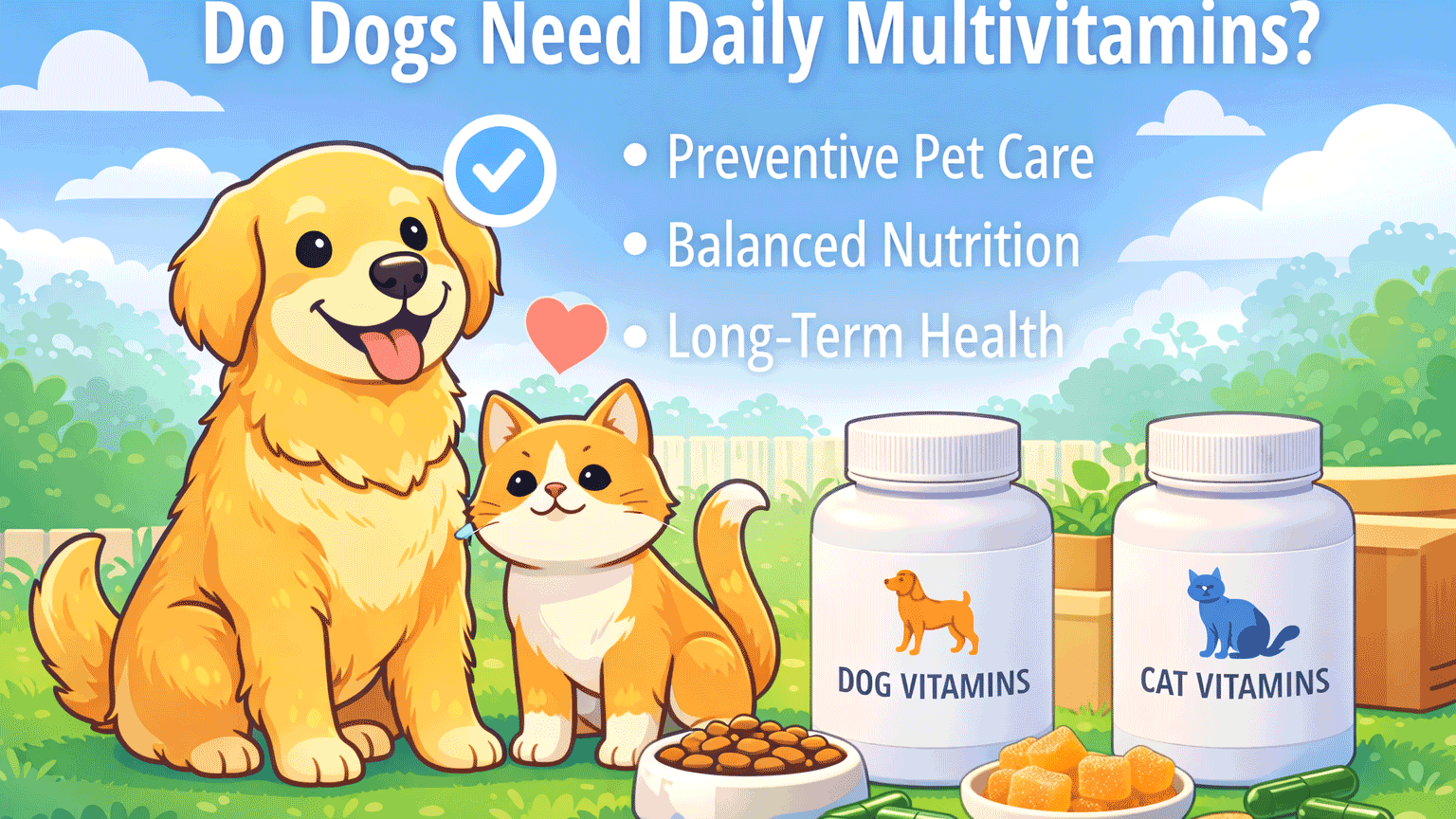
As pet ownership continues to rise globally, pet parents are placing greater emphasis on preventive care, balanced nutrition, and long-term wellness for their dogs and cats. Much like the growing use of human vitamins in daily health routines, vitamin supplements for pets are becoming increasingly common as part of modern pet care. Today, multivitamin for dogs products are no longer viewed as occasional add-ons, but as daily nutritional tools designed to support essential vitamins, overall vitality, and a healthy life across all life stages.
This shift reflects broader changes in consumer behavior, increased awareness of animal health, and a deeper understanding of how dog’s diet, lifestyle, and genetics influence nutritional needs. The question many pet owners now ask is not whether supplements exist, but whether daily dog vitamins are truly necessary and how to use them responsibly.
1. Why Multivitamin for Dogs and Cats Is Becoming a Daily Essential
1.1 The Rise of Daily Dog Vitamins in Modern Pet Care
The demand for daily dog vitamins has grown alongside expanding interest in pet wellness and preventive health. Pet parents increasingly seek ways to help their animals thrive, maintain energy, and avoid avoidable health issues later in life. This has fueled the popularity of vitamin supplements designed to complement standard dog food and address subtle nutritional gaps.
Just as humans often use human vitamins to support energy, immunity, or stress resilience, pet owners are now applying similar logic to dogs and cats. Multivitamin for dogs products are designed to deliver essential vitamins and minerals that support immune defense, metabolism, coat condition, and overall resilience. In an era where pets are considered family members, ensuring optimal nutrition has become part of responsible ownership.
1.2 Dog Food vs Supplements: Are Essential Nutrients Always Enough?
High-quality dog food is formulated to meet baseline nutritional standards, yet real-world factors can influence nutrient delivery over time. Manufacturing processes, heat exposure, storage duration, and ingredient sourcing can all impact nutrient stability. Even when labels indicate complete nutrition, some essential vitamins may degrade before consumption.
Additionally, every dog’s diet is influenced by individual factors such as breed, age, activity level, metabolism, and underlying health conditions. Dogs consuming homemade meals, raw diets, or limited-ingredient formulas may face higher risk of nutrient imbalances. Senior dogs may absorb nutrients less efficiently, while puppies require higher nutrient density to support rapid growth. In these scenarios, vitamin supplements and multivitamins can help maintain nutritional consistency and prevent deficiencies from developing.
1.3 Multivitamins and the Goal of a Healthy Life for Pets
The long-term goal of multivitamin supplementation is to support a healthy life through sustained energy, strong immunity, stable metabolism, and improved quality of life. When formulated correctly, pet multivitamins help support healthy coat development, joint support, cognitive function, and organ health. Over time, balanced supplementation can contribute to longevity, improved mobility, and better resilience to environmental stressors.
By supporting essential vitamins throughout a pet’s life, multivitamins offer a proactive approach to maintaining health rather than reacting to deficiencies after problems arise.
2. Key Vitamins and Nutrients That Support Daily Health in Dogs and Cats
2.1 Vitamin A for Vision, Immunity, and Skin Health
Vitamin A plays a critical role in maintaining vision, immune strength, and skin integrity. It supports cell regeneration, protects epithelial tissue, and contributes to a healthy coat by promoting proper oil production in the skin. Adequate vitamin A intake helps maintain a shiny, resilient coat and supports barrier protection against allergens and environmental irritants.
Because vitamin A is fat-soluble, balanced dosing is essential. While deficiency can impair vision and immune function, excessive intake may cause toxicity. This makes responsible formulation and veterinary oversight particularly important when adding vitamin supplements to a pet’s routine.
2.2 Vitamin D for Bone Strength, Calcium Balance, and Joint Support
Vitamin D is essential for regulating calcium and phosphorus absorption, making it fundamental to bone density, muscle function, and skeletal stability. Puppies and growing dogs benefit from vitamin D to support proper bone development, while adult and senior pets rely on it to maintain joint stability and mobility.
Vitamin D also contributes indirectly to joint support by helping maintain bone strength and reducing the likelihood of structural stress. In aging pets, appropriate vitamin D intake supports mobility and helps preserve independence as physical activity declines.
Since dogs depend largely on dietary vitamin D rather than sun exposure, supplementation through dog vitamins or multivitamins can be valuable when dietary intake is insufficient.
2.3 B Vitamins for Energy, Brain Health, and Metabolism
B vitamins are essential for converting food into usable energy, supporting red blood cell production, and maintaining nervous system health. These vitamins contribute to brain health, cognitive function, and emotional stability, making them especially important for active dogs, working breeds, and senior pets experiencing cognitive changes.
B vitamins also play a role in stress management, appetite regulation, and digestive efficiency. Dogs recovering from illness, experiencing high activity levels, or under chronic stress may benefit from additional B vitamin intake. Unlike fat-soluble vitamins, excess B vitamins are generally excreted in urine, reducing the risk of toxicity when properly formulated.
2.4 Additional Essential Vitamins and Minerals for Overall Wellness
Beyond vitamins A, D, and B-complex nutrients, many pet multivitamins include vitamin E for antioxidant protection, vitamin C for immune resilience, and minerals such as calcium, zinc, iron, and magnesium. These nutrients help support healthy coat appearance, skin integrity, joint stability, metabolic function, and immune defense.
Vitamin E, in particular, supports cellular protection and helps maintain skin elasticity, while zinc supports wound healing and coat quality. Together, these nutrients contribute to long-term wellness and reinforce the protective systems that keep pets active and comfortable throughout life.
3. The Role of Multivitamins in Supporting Coat Health, Joint Support, and Vitality
3.1 Supporting a Healthy Coat and Skin Condition
A healthy coat is often a visible indicator of overall health. Nutritional imbalances can lead to dull fur, shedding, flaky skin, and sensitivity. Multivitamin formulations that include essential vitamins, fatty acids, and trace minerals can support skin hydration, hair strength, and coat shine.
Vitamin A, vitamin E, biotin, and zinc contribute to follicle strength and skin barrier integrity. When combined with proper grooming and balanced dog food, vitamin supplements can enhance coat appearance and comfort while reducing irritation and dryness.
3.2 Joint Support and Mobility Across Life Stages
Joint support is a growing priority for pet owners, particularly those caring for senior dogs or large breeds prone to mobility challenges. While joint-specific supplements often contain ingredients like glucosamine or chondroitin, multivitamins can contribute indirectly to joint health by supporting bone density, muscle function, and connective tissue integrity.
Vitamin D, calcium, and antioxidants help maintain structural strength and reduce oxidative stress that can contribute to joint deterioration. When paired with appropriate exercise, weight management, and balanced dog’s diet, multivitamins can support long-term mobility and physical comfort.
3.3 Energy, Immune Strength, and Daily Performance
Multivitamins also support daily energy levels and immune resilience. B vitamins assist in energy production, while antioxidants help combat free radicals that can weaken immune response. Pets receiving adequate essential vitamins often display improved stamina, appetite, and responsiveness to physical and mental stimulation.
For active dogs, working animals, or pets in demanding environments, vitamin supplements can help maintain consistent performance and recovery capacity.
4. Do Pets Really Need Daily Dog Vitamins? How to Decide Responsibly
4.1 When Multivitamin for Dogs Makes Sense
Daily dog vitamins may be particularly beneficial for pets with specific nutritional vulnerabilities. Dogs consuming homemade diets, picky eaters, senior dogs, puppies in growth stages, and pets recovering from illness often require additional nutritional support beyond standard dog food.
Pets experiencing stress, high activity levels, or metabolic challenges may also benefit from vitamin supplements that support resilience and recovery. In these cases, multivitamins serve as a nutritional safety net, helping prevent deficiencies that might otherwise affect long-term health.
4.2 Safety, Dosage, and Avoiding Over-Supplementation
While vitamin supplements offer meaningful benefits, incorrect dosing can pose health risks. Over-supplementation of fat-soluble vitamins such as vitamin A and vitamin D may result in toxicity, bone abnormalities, digestive upset, or organ strain.
Responsible supplementation requires selecting balanced formulations that align with a pet’s weight, age, dietary intake, and health condition. Consultation with a veterinarian is strongly recommended, particularly for pets taking medications or managing chronic illnesses. Veterinary guidance ensures that supplements support health without creating nutrient imbalances or adverse effects.
4.3 Building a Long-Term Strategy for a Healthy Life with Multivitamins
Integrating multivitamins into a pet’s routine should be part of a holistic health strategy rather than a standalone solution. High-quality dog food, regular veterinary checkups, exercise, mental stimulation, and consistent observation of behavioral or physical changes all contribute to sustainable well-being.
Over time, pet owners can adjust supplementation based on life stage transitions, health developments, and dietary changes. When used thoughtfully, multivitamins can help pets maintain vitality, mobility, immune stability, and a healthy life well into their senior years.
Conclusion
Multivitamins for pets are becoming an increasingly important part of modern pet care, reflecting broader trends in preventive health, individualized nutrition, and long-term wellness. While not every dog or cat requires daily supplementation, multivitamin for dogs products can provide valuable support for pets with dietary gaps, increased nutritional needs, or specific life-stage challenges.
By supplying essential vitamins that support brain health, immune function, joint support, coat condition, and metabolic balance, vitamin supplements offer a proactive approach to maintaining health rather than reacting to deficiencies after they arise. When paired with a balanced dog’s diet, veterinary guidance, and responsible dosing, daily dog vitamins can contribute meaningfully to a longer, healthier, and more vibrant life for pets.