
20 Mar All-in-One Wellness: Multivitamin Supplements for Pets
1. Understanding the Rise of Pet Multivitamins
The Shift Toward Preventive Pet Health
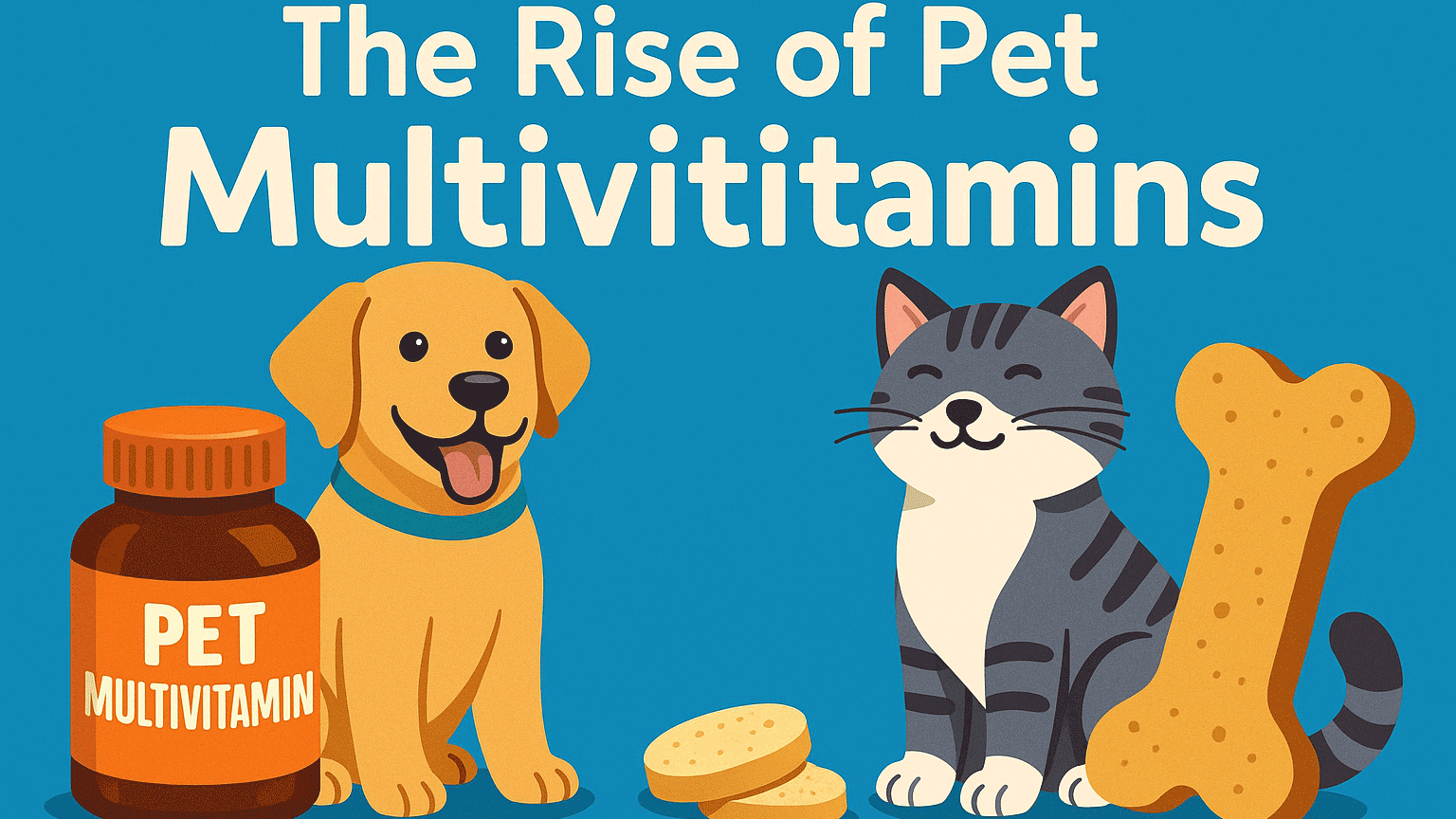
The rapid humanization of pets has transformed how dogs and cats are cared for, leading many pet parents to prioritize preventive wellness. A pet multivitamin is no longer viewed as an optional extra but as a foundational part of a dog’s diet or a cat’s daily routine. Much like human vitamins, these formulas provide essential nutrients designed to maintain health at every life stage. As pets are increasingly considered family members, multivitamins serve as a simple way to support long-term vitality and reduce the risks associated with nutritional deficiencies.
Market Demand Driven by Health and Wellness Trends
Across global markets — especially in Southeast Asia and the United States — demand for vitamin supplements is rising sharply. Dog supplements dominate sales, with dog vitamins accounting for the largest share of customer purchases. In some regions, vitamin supplements represent nearly half of all pet healthcare product sales. This growth reflects widespread awareness of how lifestyle, diet, age, and health conditions influence a dog’s body or a cat’s need for balanced nutrients.
Why Multivitamins Matter for Overall Wellness
A complete multivitamin combines vitamins, minerals, fatty acids, and other ingredients that support metabolism, cognitive function, joint support, skin health, heart health, and immune function. Pets fed home-cooked diets, picky eaters, puppies, senior dogs, and adult pets with specific deficiencies all benefit from formulas specially formulated to fill nutritional gaps. These supplements help ensure that most dogs and cats receive consistent levels of essential nutrients, regardless of diet quality or feeding style.
2. Key Ingredients in High-Quality Pet Multivitamins
Vitamin A for Vision, Skin, and Immune Health
Vitamin A plays an important role in vision, skin renewal, and immune defense. Because cats cannot synthesize vitamin A from plant sources and certain vitamins degrade in processed food, supplementation becomes especially useful. Maintaining healthy skin and coat appearance is also linked to adequate vitamin A intake.
B Vitamins for Energy and Metabolism
B vitamins are essential for energy metabolism, nervous system function, and red blood cell production. Dogs and cats rely on B vitamins such as B1, B2, B6, and B12 to convert food into usable energy. Senior dogs, active pups, and pets under stress often have increased needs.
Vitamin D for Calcium Absorption and Bone Strength
Vitamin D helps regulate calcium and phosphorus, supporting bone density and structural integrity. Puppies, senior dogs, and large breeds are particularly affected by low vitamin D, making supplementation an effective way to ensure proper skeletal development and reduce risks of weakness or bone-related diseases.

Minerals That Support Daily Health
Minerals such as calcium, zinc, magnesium, and iron support numerous functions, including immune response, coat quality, joint support, and metabolic health. The following table illustrates several key minerals and their roles:
|
Mineral |
Primary Function in Dog’s Body and Cat’s Body |
|---|---|
|
Calcium |
Bone strength, muscle contraction |
|
Zinc |
Skin health, immune support |
|
Iron |
Red blood cell formation |
|
Magnesium |
Nerve and muscle function, energy production |
These minerals, combined with vitamins, form the complete nutrient profile expected in modern multivitamins.
3. Why Multivitamins Are Becoming Essential in Modern Pet Nutrition
Filling Nutritional Gaps in Commercial Diets
Although commercial dog food and cat food provide balanced formulas, nutrients can be lost during processing or storage. This means certain vitamins and minerals may not be present in optimal amounts. A multivitamin helps maintain consistent intake levels, ensuring pets receive recommended nutrients even if their diet varies.
Supporting Senior Pets and Life-Stage Nutrition
As dogs and cats age, their bodies experience inflammation, joint stiffness, cognitive decline, and reduced nutrient absorption. Senior dogs may require additional vitamin D, B vitamins, and fatty acids to maintain mobility, brain health, and energy. Puppies also need higher nutrient density to support rapid growth. Multivitamins tailored to each life stage help ensure nutrients are delivered in correct amounts, reducing risks of harm from excessive or insufficient intake.
Meeting the Needs of Home-Cooked Diets
More pet parents are preparing fresh meals at home, but these diets often lack certain vitamins and minerals. A multivitamin ensures a stable nutritional foundation, improving long-term wellness without requiring a complete overhaul of the pet’s diet.
4. Product Development Trends in Pet Multivitamins for B2B Buyers
Formats: Chews, Powders, Liquids, and Tablets
Different pets prefer different formats. Soft chews are considered the easiest for most dogs, since they resemble treats. Powders mix well with wet food, appealing to picky cats. Liquid multivitamins offer flexible dosing for pets with health conditions or weight-based requirements. Tablets remain popular for cost-effective or high-potency formulations.
Formulating According to AAFCO Nutrient Profiles
High-quality multivitamins align with AAFCO nutrient recommendations to ensure pets receive safe, effective amounts of vitamins and minerals. Formulas for dogs and cats must be differentiated, as certain vitamins — including vitamin A and vitamin D — have species-specific requirements.
Growing Demand in Southeast Asia
Rapid expansion of the pet industry in Southeast Asia has driven interest in multivitamins due to widespread concerns about diet quality and nutritional gaps. Countries with cat-dominant markets show strong demand for daily vitamin supplements, supported by booming e-commerce platforms.
5. Choosing or Developing a High-Quality Pet Multivitamin
Evaluating Ingredient Quality and Bioavailability
Ingredient source, purity, and bioavailability directly influence effectiveness. Chelated minerals, natural vitamin sources, and stable forms of fatty acids improve absorption and reduce risks of digestive upset.
Formulations for Dogs vs Cats
Dogs often benefit from higher B vitamins and joint-supporting ingredients such as glucosamine, chondroitin, and MSM. Cats require species-specific nutrients and cannot rely on plant-derived precursors for certain vitamins. A tailored formula ensures safety and correct nutrient delivery.
Opportunities for B2B and OEM Buyers
Multivitamins are considered one of the most stable and scalable categories in pet supplements. Brands can launch complete formulas, senior support blends, puppy-specific formulas, or multivitamin-plus functional blends. These products create strong repeat-purchase patterns due to daily usage.