
25 Nov Do Cats Need Supplements? Key Differences in Feline vs. Canine Nutrition
Cats are obligate carnivores with very specific nutritional needs that differ greatly from dogs and other animals. As a pet parent, understanding whether your cat needs supplements and how their diet impacts their health is essential to promoting a healthy life. This article explores the role of cat supplements, the differences in cat food types, and how to support your cat’s immune system, skin, coat health, and more through appropriate nutritional supplementation.
1. Understanding Cat Supplements and Nutrition Needs
1.1 Why Cats Might Need Cat Vitamins and Supplements
Most cats, when fed a nutritionally complete and balanced diet, receive all the essential nutrients they need from their regular cat food. High-quality pet food typically contains a proper balance of vitamins, minerals, essential amino acids, and fatty acids to support a healthy weight, brain health, and overall wellbeing. However, there are specific situations where cat vitamins and nutritional supplements can benefit your pet’s health.
Cats that suffer from health problems such as kidney disease, gastrointestinal issues, immune system deficiencies, or skin and coat disorders may require additional supplementation. Moreover, aging cats or those with decreased appetite might not consume enough nutrients from their diet alone, which can lead to deficiencies in vital nutrients such as B vitamins, vitamin C, vitamin E, and omega 3 fatty acids. For example, fish oil, a rich source of eicosapentaenoic acid (EPA) and other omega fatty acids, is often supplemented to support inflammation reduction, heart health, and immune support.
Pet owners must be mindful when introducing supplements and should ideally seek guidance from a veterinarian. Over-supplementing or using inappropriate supplements can lead to health issues rather than benefits.
1.2 Differences Between Cat Food Types: Dry Food vs. Canned Food
When discussing a cat’s diet, it’s important to consider the type of food being fed—dry food, canned food, or semi moist food. Each has different nutritional profiles, palatability, and water content, which affect how supplements might be integrated.
Dry Food: Dry food is convenient, typically nutritionally complete, and can help with dental health by reducing tartar buildup. However, it contains less moisture and sometimes more fillers like meat byproducts or inactive ingredients. Dry food stored in an airtight container retains nutrients better but may lack the moisture cats need to maintain optimal hydration and kidney health.
Canned Food: Canned food is a rich source of animal products and generally has higher moisture content, which supports hydration and can be preferable for cats prone to urinary or kidney issues. It is often more highly palatable, encouraging better food intake for cats with decreased appetite. Canned food usually contains fewer carbohydrates and more protein and fat, aligning closer to a cat’s natural diet.
Semi Moist Food: Semi moist food is less common but can serve as a compromise between dry and canned food. It usually contains preservatives and sweeteners to maintain texture and palatability.
Understanding these differences is vital when considering supplements because certain nutrients may be more abundant in some food types. For instance, a diet heavily reliant on dry food may benefit from additional fish oil supplements to provide omega 3 fatty acids, which support skin and coat health.
1.3 The Role of Active Ingredients in Cat Supplements (e.g., Fish Oil)
Cat supplements are formulated with various active ingredients designed to target specific health concerns or to complement the cat’s diet. Some of the most common active ingredients include:
Fatty Acids (Omega 3 Fatty Acids): These include EPA and docosahexaenoic acid (DHA), which are essential for maintaining healthy skin, coat, and reducing inflammation. Fish oil or salmon oil are excellent sources of these nutrients.
Essential Amino Acids: Cats require amino acids like taurine, which is critical for heart health and vision. Unlike some other animals, cats cannot synthesize taurine sufficiently and depend on dietary intake.
Mineral Supplements: Minerals such as potassium, magnesium, and iron support red blood cells and metabolic functions. Mineral imbalances can result in serious health problems.
Vitamins (B Vitamins, Vitamin C, Vitamin E): These vitamins help maintain immune health, promote healthy skin, support brain health, and protect cells from oxidative damage.
These active ingredients form the core of many cat vitamins and supplements and help fill nutritional gaps or support health conditions not fully addressed by standard cat food.

2. Supporting Your Cat’s Immune Health and System
2.1 Immune Support Through Cat Supplements: What Works?
The immune system plays a vital role in keeping cats healthy, defending them against infections, viruses, and other health issues. Nutritional supplements aimed at immune support often contain a combination of vitamins, minerals, and amino acids that enhance immune response.
Key components include:
Lysine and Other Amino Acids: Lysine is an essential amino acid that can help cats combat viral infections such as feline herpesvirus. Supplementation may reduce the frequency and severity of outbreaks by supporting immune function.
Vitamin C and Vitamin E: Both act as antioxidants that protect immune cells from damage. Vitamin E, in particular, supports the function of red blood cells and skin health.
Beta Glucans and Other Immune Modulators: These compounds help stimulate the immune system, enhancing the cat’s ability to respond to pathogens.
Supplements designed for immune health often come as powders, gels, or capsules and can be mixed with pet food for easier administration.
2.2 Fish Oil and Other Ingredients for Immune System Boost
Fish oil is widely regarded as a beneficial supplement for immune support because of its rich concentration of omega 3 fatty acids, especially EPA. These fatty acids help reduce inflammation, modulate immune responses, and promote cardiovascular and brain health.
Other ingredients that may boost immune health include:
Mineral Supplements: Zinc and selenium play roles in maintaining immune function.
B Vitamins: Essential for energy metabolism and supporting healthy immune responses.
Antioxidants: Including vitamins A, C, and E, which protect the body from oxidative stress.
Together, these nutrients contribute to maintaining a strong immune system, which is especially important for senior cats or those with health issues.
2.3 Signs Your Cat May Need Immune Health Support
Cat owners should be vigilant for signs that may indicate a compromised immune system, such as:
Frequent respiratory infections or sneezing
Slow healing from wounds
Recurring eye or ear infections
Reduced appetite and lethargy
Poor coat condition or hair loss
If any of these symptoms occur, a veterinarian consultation is essential to assess the cat’s health and discuss possible supplementation to support immune health.
3. Promoting Healthy Skin and Coat Health
3.1 Importance of Omega Fatty Acids in Cat Food and Supplements
Healthy skin and a shiny coat are signs of good nutrition and overall health. Omega 3 fatty acids, primarily found in fish oil and salmon oil, are vital for maintaining skin barrier integrity, reducing inflammation, and preventing dryness.
Cats fed diets lacking adequate omega fatty acids often develop:
Dull or brittle fur
Dry, flaky skin
Allergies or dermatitis
Supplementing with fish oil can replenish these fatty acids, improving coat health and enhancing the pet’s comfort.
3.2 How Fish Oil Supports Healthy Skin and Coat Health
Fish oil is a highly palatable and excellent source of EPA and DHA, which nourish the skin from within. Regular supplementation:
Promotes healthy skin cell turnover
Helps maintain moisture and elasticity
Reduces itching and inflammation from allergies or infections
Supports the natural oil production that gives the coat a glossy shine
Many cat vitamins combine fish oil with vitamin E and other antioxidants to maximize skin and coat benefits.
3.3 Common Skin and Coat Issues Addressed by Supplements
Cats can suffer from a variety of skin and coat problems caused by nutrition deficiencies, allergies, or infections. Supplements target these by:
Reducing dandruff and dry skin
Supporting hair regrowth in patchy or thinning areas
Easing symptoms of atopic dermatitis or other inflammatory skin conditions
Improving the skin’s immune response to bacterial or fungal challenges
Pet owners should monitor their cat’s skin and coat condition regularly and discuss supplementation options with their veterinarian if issues arise.
4. Specialized Supplementation for Key Health Areas
4.1 Kidney, Liver, and Heart Health: Why Supplements Matter
Cats, especially as they age, are prone to health problems related to vital organs such as the kidneys, liver, and heart. While a balanced diet provides foundational nutrition, supplements may be needed to support these organs during illness or decline.
Kidney Health: Kidney disease is common in older cats. Supplements may include potassium, phosphorus binders, and probiotics to manage symptoms and improve kidney function.
Liver Health: Supplements containing S-Adenosylmethionine (SAM-e) and milk thistle derivatives support detoxification and liver cell regeneration.
Heart Health: Taurine, an essential amino acid for cats, supports proper heart muscle function and is often supplemented when diets are deficient.
These specialized supplements can help maintain quality of life and slow progression of organ-related health issues.
4.2 Joint Support and Mobility in Aging Cats
Just like dogs and humans, cats can develop arthritis and joint problems that reduce mobility and comfort. Supplements containing glucosamine and chondroitin sulfate are commonly used to support cartilage health and joint function.
Benefits of joint supplements include:
Improved mobility and ease of movement
Reduction of joint inflammation and pain
Support during recovery from musculoskeletal injuries
Providing supplements early, especially in senior cats or those with a high body weight, can prolong active, healthy lives.
4.3 Behavioral Support and Overall Wellbeing Through Cat Vitamins
Behavioral issues in cats such as anxiety, inappropriate urination, or aggression can sometimes be linked to underlying health or stress. Certain supplements designed to promote calming effects may help manage these problems.
Common calming supplement ingredients include:
L-Theanine: An amino acid promoting relaxation
Colostrum-derived proteins: Supporting brain health and reducing stress
Pheromone analogs: To help reduce anxiety and territorial behaviors
While supplements can be helpful, they are often part of a broader behavioral management strategy recommended by veterinarians.
5. Choosing the Right Cat Supplements and Feeding Tips
5.1 How to Select Quality Cat Supplements and Read Labels
With thousands of nutritional supplements available, cat owners need to carefully evaluate products to ensure safety and efficacy. When selecting supplements:
Look for products with clearly stated active ingredients and nutrient concentrations.
Check expiration dates and storage instructions (e.g., keep in airtight containers to preserve potency).
Avoid products with unnecessary fillers or inactive ingredients.
Ensure the supplement is highly palatable and compatible with your cat’s diet.
Prefer supplements supported by scientific research or veterinary recommendation.
5.2 Integrating Supplements with Dry Food and Canned Food
Proper feeding techniques maximize the benefit of supplements:
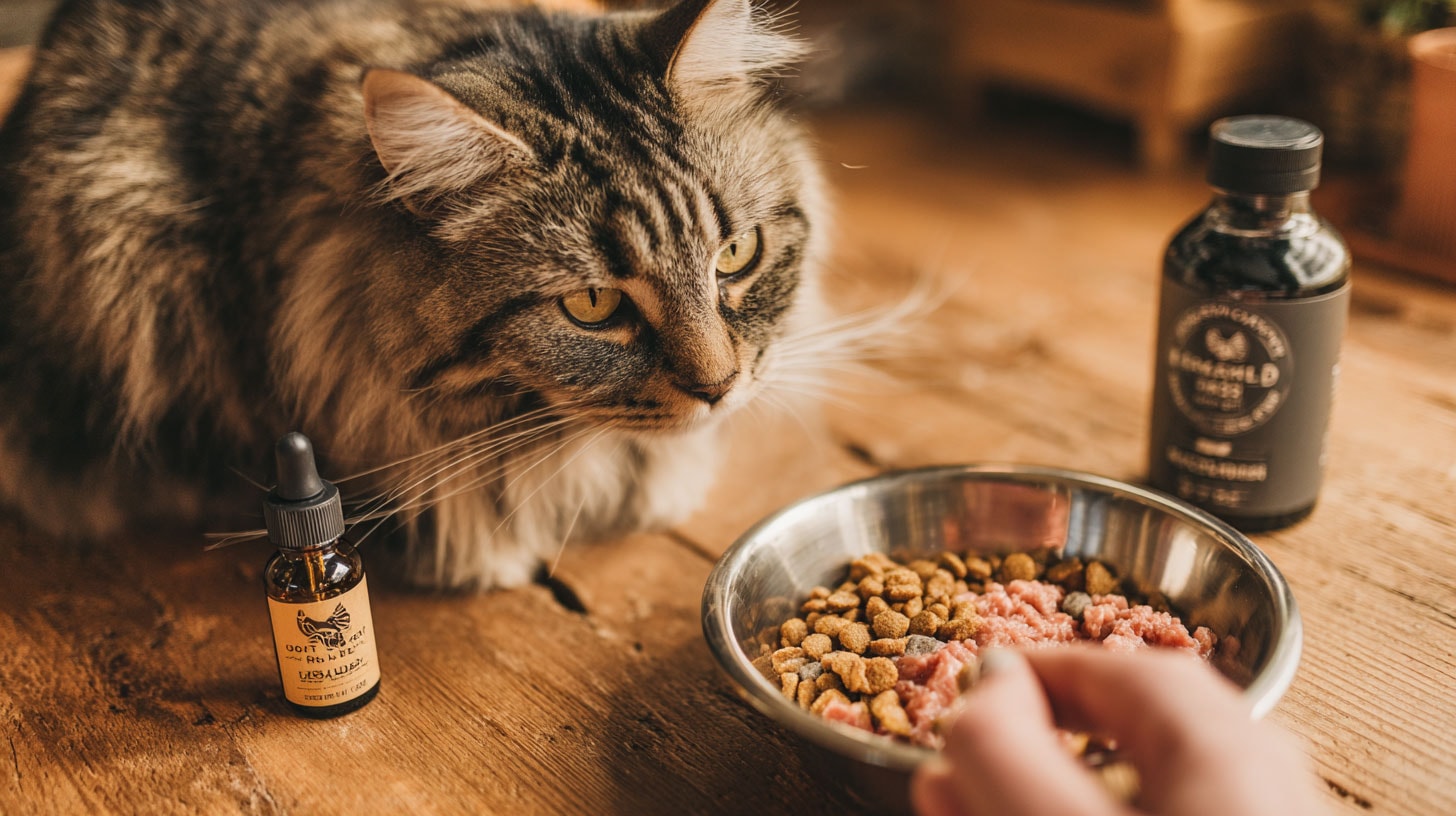
Mix powders or oils into canned food for easy ingestion and to maintain a balanced diet.
Use capsules or chews as treats or rewards, ensuring correct dosage.
When feeding dry food, consider hydration by providing fresh water to prevent kidney strain.
Monitor your cat’s body condition score and adjust supplement use accordingly to avoid excess calories.
Maintain a consistent feeding routine to reduce stress and encourage steady nutrient intake.
5.3 Veterinary Guidance: The Importance of Professional Advice
The best approach to supplementation always involves consultation with a veterinarian who understands your cat’s individual health status. Vets can:
Diagnose underlying health conditions requiring supplements.
Recommend appropriate cat vitamins and active ingredients based on diet and health.
Monitor responses to supplementation and adjust as needed.
Prevent complications from over-supplementation or nutrient interactions.
Always follow professional advice and never administer supplements intended for other species such as dogs without veterinary approval.
Conclusion
Cats have unique nutritional requirements as obligate carnivores, and while most cats thrive on a nutritionally complete and balanced diet, some may benefit from additional cat supplements to support immune health, skin and coat condition, organ function, and behavior. Pet parents should be aware of the differences between cat food types, the active ingredients in supplements such as fish oil and essential amino acids, and the importance of veterinary guidance to ensure safe and effective supplementation. By understanding these key factors, cat owners can help their feline companions maintain a healthy life and enjoy lasting vitality.