
15 Jul Pet Supplement Market Growth Insights: How Brands Can Seize Opportunities
Introduction
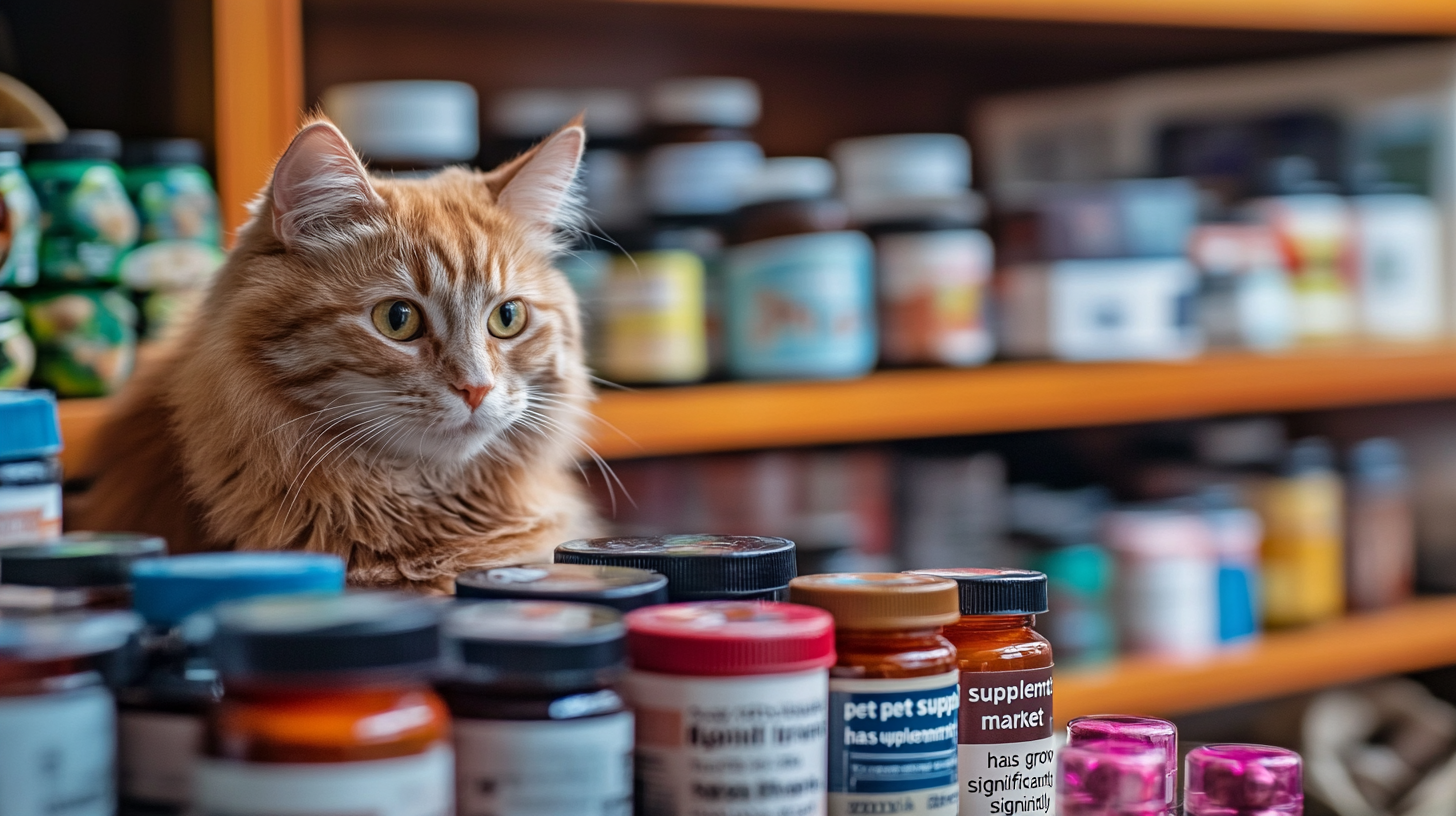
The global pet supplements market is undergoing rapid expansion, driven by increasing pet ownership, growing consumer awareness of pet health, and the rising demand for functional pet food and dietary supplements. The market has seen significant growth in recent years, reaching a market size of $2.4-2.5 billion in 2021. Despite this, the penetration rate of pet dietary supplements remains relatively low compared to human supplements. In the United States, only 14% of pets receive dietary supplements, whereas 73% of humans take them. This stark contrast highlights a vast, untapped market that brands can leverage to drive pet supplement sales.
As more pet owners prioritize health and wellness, the demand for pet supplements targeting joint health, digestive health, coat health, and stress relief is increasing. Brands looking to capitalize on this market growth should focus on product innovation, strategic marketing, and expansion into emerging regions such as Asia Pacific, the Middle East, and Europe. Additionally, the rise of e-commerce and online retailers presents a significant opportunity for brands to expand their reach and increase sales.
1. Market Outlook: The Expanding Pet Supplement Industry
The pet supplement industry analysis reveals that the market is experiencing strong growth worldwide, with a compound annual growth rate (CAGR) projected at 5-7% over the forecast period. Several factors contribute to this market demand:
1.1 Pet Humanization and Increased Pet Ownership
The concept of pet humanization—treating pets as family members—has led to increased spending on pet care, pet food, and pet dietary supplements. More pet owners are investing in high-quality nutrition and wellness solutions to enhance their pets’ overall health.
Pet adoption rates have surged, particularly in North America, Europe, and Asia Pacific, fueling market demand for nutritional pet products.
Senior pets make up a growing percentage of the pet population, leading to a higher demand for joint supplements and weight management solutions.
1.2 Growth in the Asia Pacific and Middle Eastern Markets
While North America and Europe continue to dominate pet supplement sales, the Asia Pacific and Middle Eastern markets are experiencing significant growth. Rising disposable income, increased pet adoption, and changing consumer attitudes towards pet health and wellness contribute to the expansion of these markets.
1.3 Evolving Consumer Preferences and Retail Trends
-
Online retailers and direct-to-consumer models are reshaping the pet supplement industry, allowing brands to reach a wider audience through digital channels.
-
Pet specialty stores, convenience stores, and veterinary clinics remain essential distribution channels, but e-commerce is expected to take an increasing share of pet supplement sales.

2. Consumer Trends: Understanding What Pet Owners Want
To remain competitive, companies must understand consumer trends and address the specific health issues pet owners seek to resolve. According to the National Pet Owners Survey, the most sought-after pet dietary supplements include:
2.1 Joint Health and Mobility Support
-
Joint supplements, such as glucosamine, chondroitin, and MSM, are among the top-selling dog supplements as pet owners look to maintain joint and hip health in aging pets.
-
Soft chews and powders are preferred supplement formats, making administration easier and more palatable for pets.
2.2 Digestive Health and Gut Microbiome Support
-
Digestive health supplements, including probiotics, prebiotics, and fiber, are growing in demand as pet parents recognize their role in improving digestion, reducing bloating, and supporting immune function.
-
New dog supplements targeting joint digestive health are being developed to provide comprehensive gut support.
2.3 Skin and Coat Health
-
Omega-3 and omega-6 fatty acids, found in fish oil for dogs and cats, are key ingredients in coat health supplements that promote healthy skin and reduce allergies.
-
Coat and hip health supplements are gaining traction, particularly for breeds prone to skin allergies and hip dysplasia.
2.4 Stress Relief and Calming Supplements
-
Calming supplements containing L-theanine, CBD, and valerian root are increasingly popular among pet parents looking to reduce anxiety in pets.
-
With rising pet separation anxiety and urban living conditions, the demand for stress relief solutions is expected to increase significantly.
3. Strategies for Brands to Capture Market Share
3.1 Expanding Product Lines to Meet Market Demand
To capitalize on market growth, brands should diversify their product offerings to cover various pet health concerns. A robust product matrix should include:
Joint and mobility support
Digestive health supplements
Coat and skin health products
Immune system boosters
Stress relief and calming supplements
Offering customized solutions for dogs, cats, and other companion animals can help brands differentiate themselves from competitors.
3.2 Targeted Marketing for Specific Consumer Segments
Brands should tailor their marketing strategies based on specific pet owner demographics:
Senior pet owners – Focus on joint health and weight management solutions.
First-time pet owners – Educate them on pet nutrition and the benefits of supplements.
Premium product consumers – Promote natural pet food and organic supplements to appeal to health-conscious buyers.
3.3 Leveraging E-Commerce and Omnichannel Retailing
The rise of online retailers and direct-to-consumer sales has created new opportunities for brands to:
Sell through major e-commerce platforms such as Amazon, Chewy, and specialized pet stores.
Offer subscription-based pet supplement sales, ensuring repeat purchases and customer retention.
Optimize digital marketing and influencer partnerships to boost brand visibility.

4. Overcoming Challenges in the Competitive Landscape
As pet supplement market size expands, competition among major companies continues to intensify. Brands must navigate several key challenges:
4.1 Ensuring Product Quality and Compliance
Regulatory bodies such as the American Veterinary Medical Association (AVMA), FDA, and American Pet Products Association (APPA) set strict guidelines for pet dietary supplements.
Companies must ensure compliance with ingredient safety, labeling accuracy, and marketing claims.
4.2 Addressing Consumer Education and Awareness
Many pet owners lack knowledge about the benefits of pet supplements.
Brands should invest in educational content, vet endorsements, and social media campaigns to build trust.
4.3 Standing Out in a Crowded Market
Brands should differentiate through innovation, offering scientifically backed formulations, superior ingredient sourcing, and unique delivery formats (e.g., soft chews, powders, and liquids).
A value chain analysis can help identify efficiencies in manufacturing, packaging, and distribution to maintain competitive pricing.
Conclusion
The pet supplement industry presents significant opportunities for brands looking to expand into the global market. By developing targeted product offerings, leveraging e-commerce channels, and staying compliant with industry regulations, businesses can successfully capture market share and drive pet supplement sales.
As consumer awareness of pet health and wellness continues to grow, brands that prioritize quality, transparency, and innovation will be well-positioned to lead the industry in the coming years.