
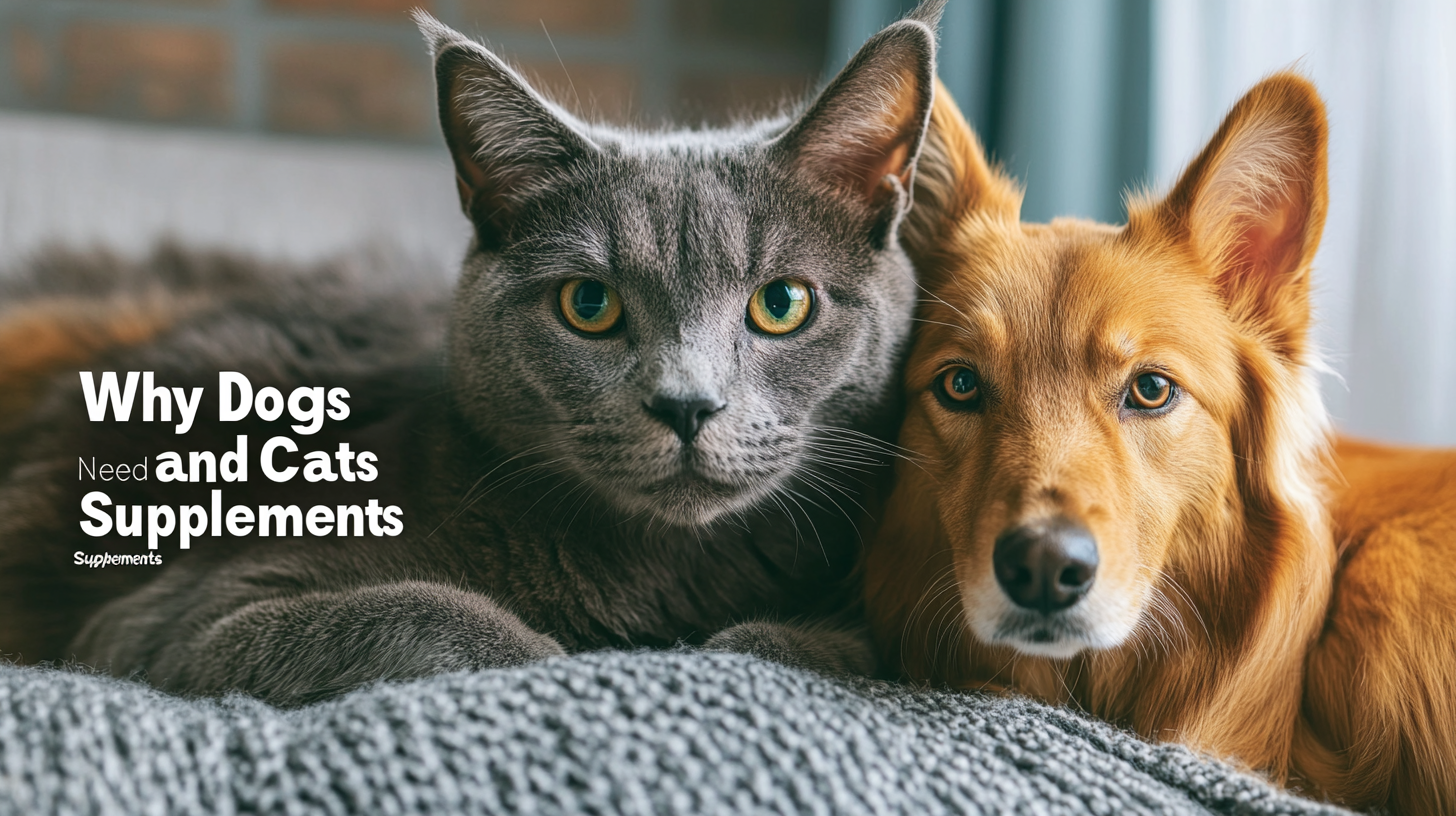
22 May Pet Nutrition Guide: Why Dogs and Cats Need Supplements for Optimal Health
Introduction
Proper pet nutrition is essential for ensuring a healthy life for dogs and cats. While commercial pet foods provide a baseline of essential nutrients, they may not always meet the specific dietary needs of pets at different life stages or those with health conditions. Some nutrients, such as essential fatty acids, amino acids, vitamins, and dietary fiber, are crucial for maintaining immune function, skin health, joint health, and digestive health.
In many cases, dog supplements and cat supplements help bridge nutritional gaps. For example, fatty acid supplements support coat health, vitamin supplements improve immune function, and joint supplements help senior dogs manage joint pain. This article provides a comprehensive guide to pet nutrition, highlighting why pets may need dietary supplementation beyond their daily diet and how pet owners can choose the right supplements to support their dog’s health.
1. Understanding the Nutritional Needs of Dogs and Cats
1.1 What Are Essential Nutrients for Pets?
A balanced diet for dogs and cats includes:
-
Proteins: Support muscle maintenance, growth, and tissue repair.
-
Fats: Provide essential fatty acids and help with energy metabolism.
-
Carbohydrates: Supply energy and support digestive health.
-
Vitamins and minerals: Regulate bodily functions, immune function, and bone strength.
1.2 The Role of Essential Amino Acids
Amino acids are categorized into:
-
Essential amino acids: Must be obtained through diet as pets cannot synthesize them.
-
Nonessential amino acids: Can be synthesized in the dog’s body if necessary.
Amino acids play a vital role in protein quality, amino acid metabolism, and overall health. Ensuring that dogs and cats get the right balance of dietary protein is crucial for maintaining muscle mass and supporting metabolic functions.
1.3 Dietary Fats and Essential Fatty Acids
Fatty acids are essential for:
-
Skin health and coat health.
-
Brain and eye development in puppies and kittens.
-
Reducing inflammation and supporting joint health.
Key essential fatty acids include:
-
Linoleic acid (Omega-6): Found in plant oils and needed for skin and coat health.
-
Eicosapentaenoic acid (EPA) and docosahexaenoic acid (DHA) (Omega-3): Found in fish oil, these support joint health and reduce inflammation.
A deficiency in essential fatty acids can lead to dry skin, excessive shedding, and weakened immune function.

2. Why Do Dogs and Cats Need Supplements?
While pet food provides the foundation for a pet’s diet, it is not always enough to maintain long-term health. Many commercial pet foods contain fillers, preservatives, and synthetic ingredients that may not offer the most bioavailable forms of essential nutrients. Additionally, pet food processing often strips away natural enzymes and vitamins, reducing the food’s overall nutritional value.
Different life stages and health conditions require varying levels of nutrients. Puppies and kittens have higher energy needs and require extra support for brain development, bone growth, and immune system function. Senior pets, on the other hand, may need supplements to support joint mobility, digestive function, and cognitive health.
Certain pets have breed-specific health concerns that make supplementation particularly beneficial. Large dog breeds, for example, are more prone to hip dysplasia and joint issues, making joint supplements with glucosamine and chondroitin a smart preventive measure. Similarly, small breeds with dental health concerns may benefit from dental supplements designed to reduce plaque buildup and support gum health.
Pets recovering from surgery, illness, or chronic conditions such as kidney disease or inflammatory bowel disease can also benefit from targeted supplementation. Probiotics, digestive enzymes, and immune-supporting antioxidants can aid in recovery and help restore balance to the body. Supplements designed for liver health, cardiovascular support, or urinary tract health can further assist pets dealing with specific medical conditions.
Environmental factors can also contribute to a pet’s need for supplements. Stress from travel, relocation, or lifestyle changes can impact digestion and immune function, making supplements with calming ingredients like omega-3s and vitamin B complex helpful in reducing anxiety.
By incorporating the right supplements into a pet’s diet, pet owners can address these nutritional gaps and provide their pets with the additional support they need to lead healthier, more vibrant lives.
2.1 Can Pet Food Meet All Nutritional Needs?
While commercial pet foods aim to provide a balanced diet, they may not always meet every pet’s unique nutritional requirements. Some factors that contribute to nutrient deficiencies include:
-
Processing methods that reduce diet digestibility.
-
Nutrient loss in long-term storage.
-
Breed-specific needs that require additional supplementation.
-
Aging-related deficiencies in senior dogs and cats.
2.2 Common Nutritional Gaps in Pet Diets
-
Vitamin D Deficiency: Affects calcium absorption and bone health.
-
Low Omega-3 Intake: Leads to poor coat health and joint pain.
-
Insufficient Fiber: Can result in digestive issues and inflammatory bowel disease.
-
Joint Nutrient Deficiencies: Contribute to arthritis and mobility issues.
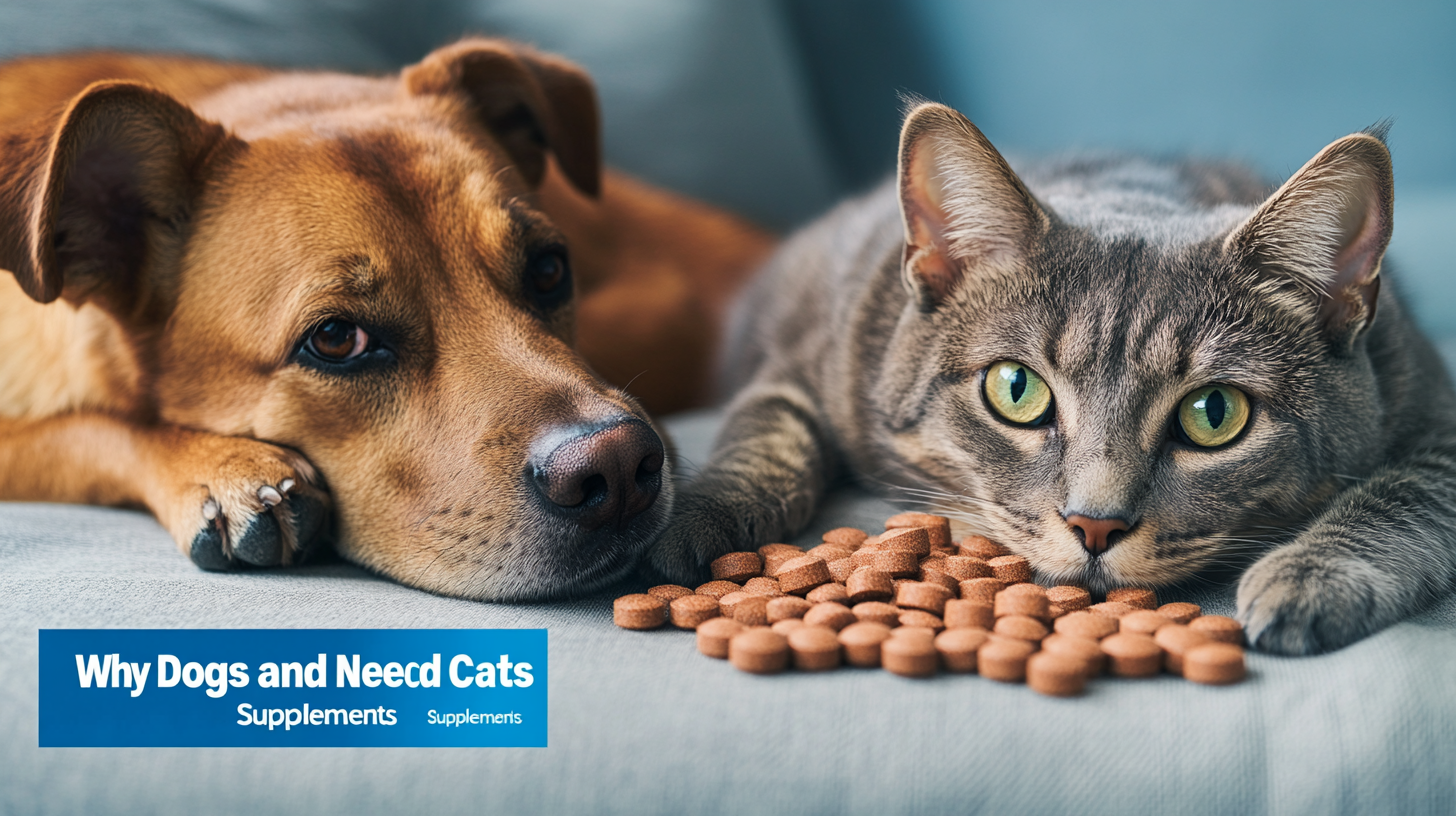
To address these nutritional gaps, many pet owners turn to dog supplements and cat supplements to enhance their pet’s health.
3. Life Stages and Situations That Require Supplements
3.1 Puppies and Kittens: Growth and Development
Young pets require additional nutrients to support:
-
Brain and vision development (DHA from fish oil).
-
Bone and teeth growth (Calcium, phosphorus, and Vitamin D).
-
Immune function (B vitamins and antioxidants).
3.2 Adult Dogs and Cats: Maintaining Health
For healthy adult dogs and cats, maintaining a nutritionally balanced diet with supplementary vitamins and minerals is crucial for:
-
Joint support (Glucosamine and chondroitin).
-
Skin and coat health (Omega-3 and Omega-6 fatty acids).
-
Liver health (Milk thistle extract and Vitamin E).
3.3 Senior Pets: Joint Health and Cognitive Support
Aging pets often experience:
-
Joint pain and stiffness → Joint supplements with glucosamine, chondroitin, and MSM.
-
Cognitive decline → Omega-3 fatty acids, antioxidants, and B vitamins.
-
Weakened immune function → Vitamin C and probiotics.
3.4 Pets with Specific Health Conditions
Some breeds and pets may require additional support for:
-
Digestive health → Probiotics, digestive enzymes, and fiber.
-
Heart health → Taurine, L-carnitine, and fish oil.
-
Kidney disease → Controlled phosphorus intake, Omega-3, and Vitamin B complex.

4. Key Pet Supplements and Their Benefits
Among the many pet supplements available, some of the most beneficial categories include those supporting joint health, digestive health, skin and coat health, and immune function.
Joint supplements are particularly beneficial for aging pets, active breeds, and those prone to arthritis. Glucosamine, chondroitin, and MSM are commonly used to support cartilage repair, reduce inflammation, and improve mobility. Omega-3 fatty acids from fish oil further enhance joint function by reducing oxidative stress and promoting anti-inflammatory effects.
Digestive health supplements such as probiotics and prebiotics play an essential role in maintaining a healthy gut microbiome. They help balance intestinal flora, improve nutrient absorption, and prevent common digestive issues such as diarrhea or bloating. Fiber supplements can also aid in digestion and regulate bowel movements, particularly for pets suffering from gastrointestinal sensitivities.
Skin and coat health supplements often contain omega-3 and omega-6 fatty acids, which help reduce itching, dry skin, and excessive shedding. Vitamin E, biotin, and zinc further contribute to a shiny coat and healthier skin, making these supplements especially beneficial for pets with allergies or dermatological conditions.
Immune-supporting supplements provide antioxidants such as vitamin C, vitamin E, and selenium to help combat oxidative stress and strengthen immune function. These supplements are particularly useful for pets recovering from illness, surgery, or periods of stress.
Each pet is unique, and their supplement needs will vary based on factors such as age, breed, lifestyle, and overall health. Selecting high-quality, vet-recommended supplements can ensure that pets receive the best possible nutritional support.
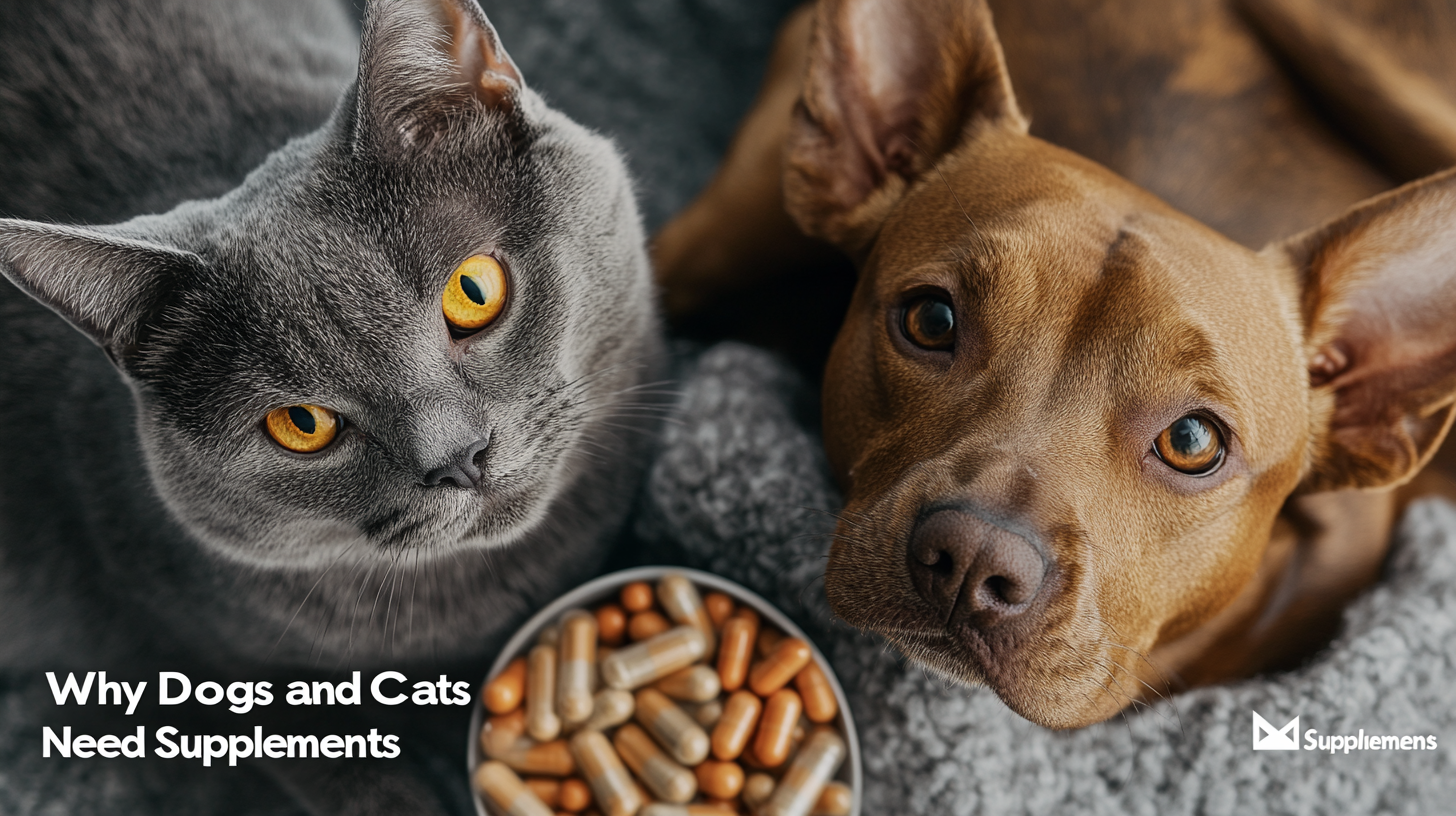
4.1 Joint Supplements
These help senior dogs, active breeds, and pets with arthritis.
-
Glucosamine and chondroitin: Rebuild cartilage.
-
MSM and Omega-3: Reduce inflammation.
4.2 Omega-3 and Fatty Acid Supplements
-
Fish oil: Supports skin, coat, and joint health.
-
Short-chain fatty acids: Aid digestive health.
4.3 Digestive Health Supplements
-
Probiotics: Improve gut health and immune function.
-
Dietary fiber and soluble fiber: Support digestive enzymes and carbohydrate metabolism.
4.4 Vitamin and Mineral Supplements
-
Vitamin D and Calcium: Enhance bone health and calcium absorption.
-
B Vitamins: Support energy metabolism and nerve function.
-
Vitamin E and antioxidants: Improve skin health and immune function.
5. Choosing the Right Supplements for Your Pet
5.1 How to Identify High-Quality Supplements
-
Vet-approved formulas: Look for supplements backed by veterinary medicine experts.
-
No artificial additives: Avoid preservatives, fillers, and synthetic chemicals.
-
Tested by independent third parties: Ensure purity and safety.
5.2 Understanding Dosages and Safety
-
Follow label instructions to prevent excess intake.
-
Consult a veterinarian for pets with pre-existing conditions.
-
Monitor for side effects like digestive upset or allergic reactions.
Conclusion
Ensuring proper pet nutrition is key to a healthy life for dogs and cats. While commercial pet foods provide a basic diet, pet supplements can address specific health concerns such as joint pain, immune support, digestive health, and skin health.
By understanding essential nutrients, life stage needs, and supplement benefits, pet owners can make informed decisions about their pet’s diet. A well-rounded approach to nutrition, veterinary guidance, and supplementation ensures that pets live longer, healthier lives.